Smart Homes That Run Without the Power Grid
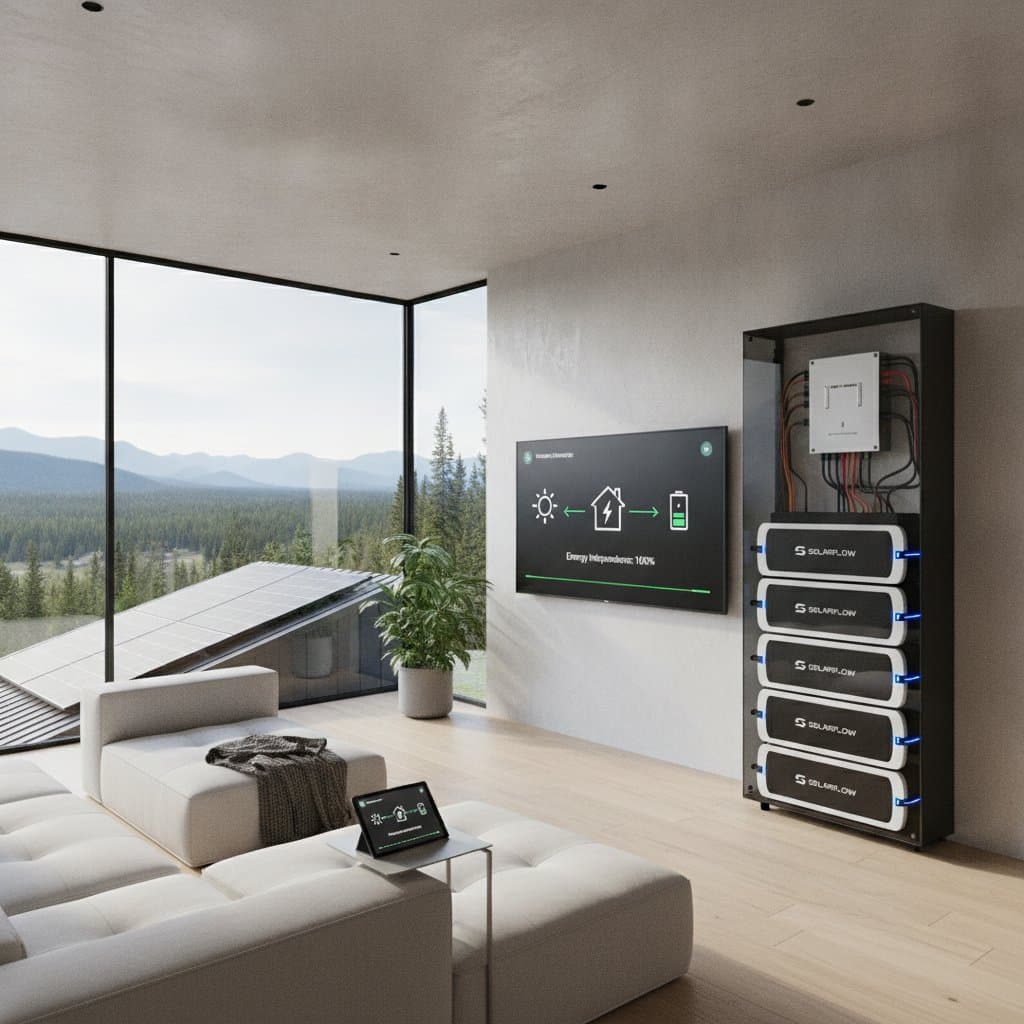
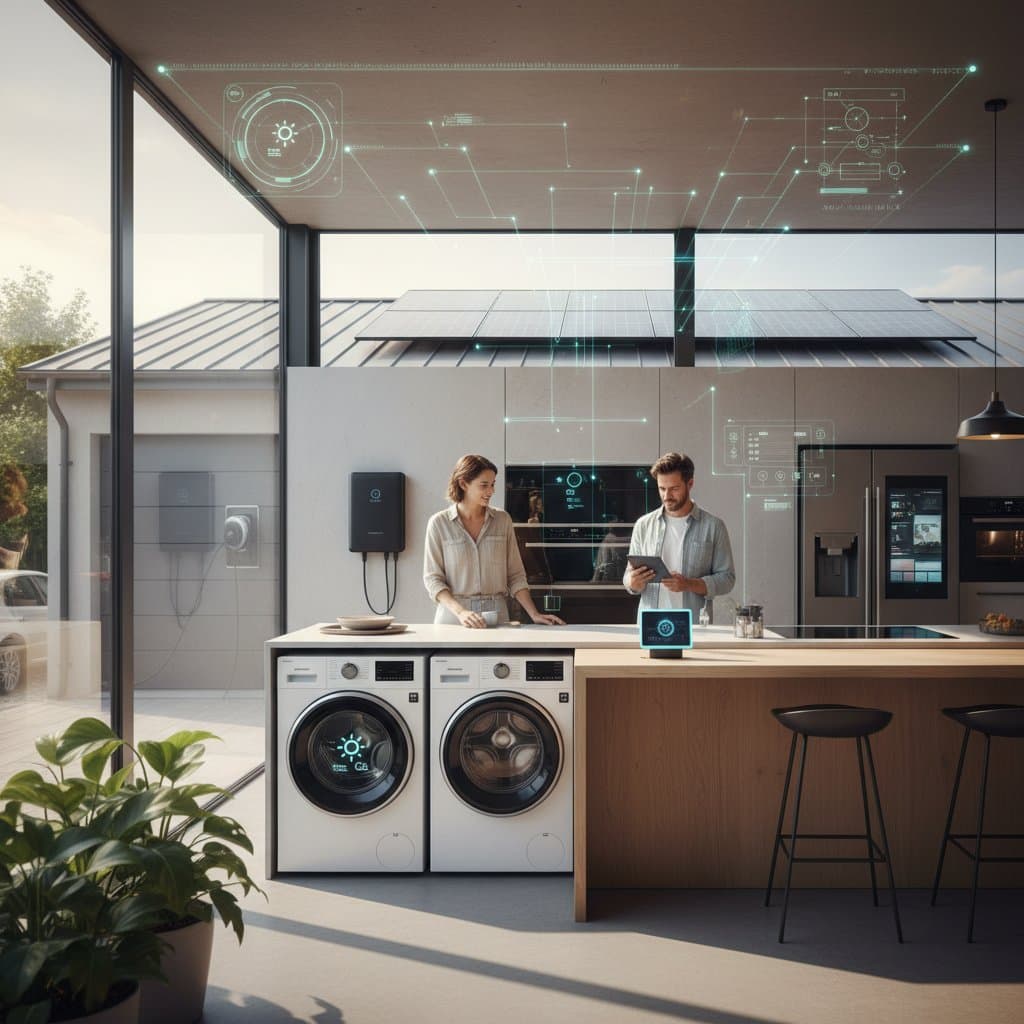
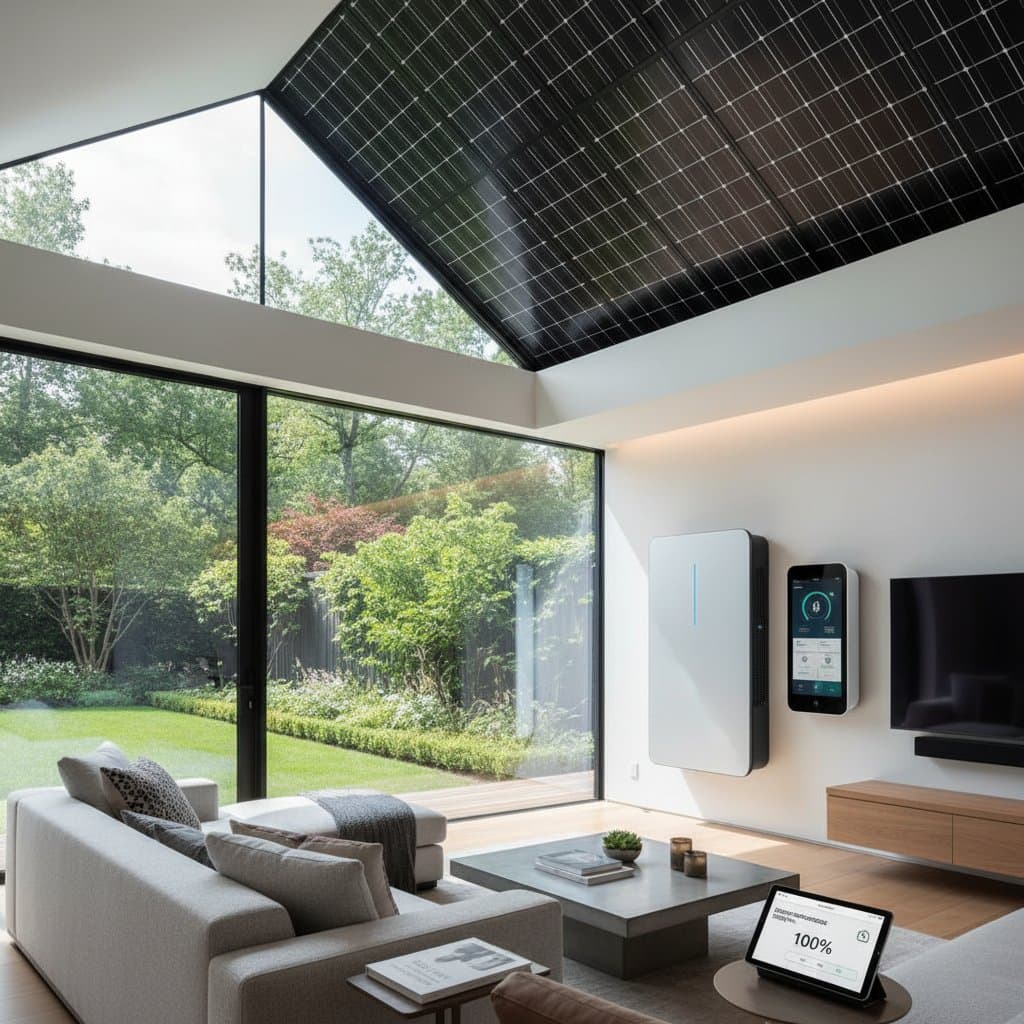
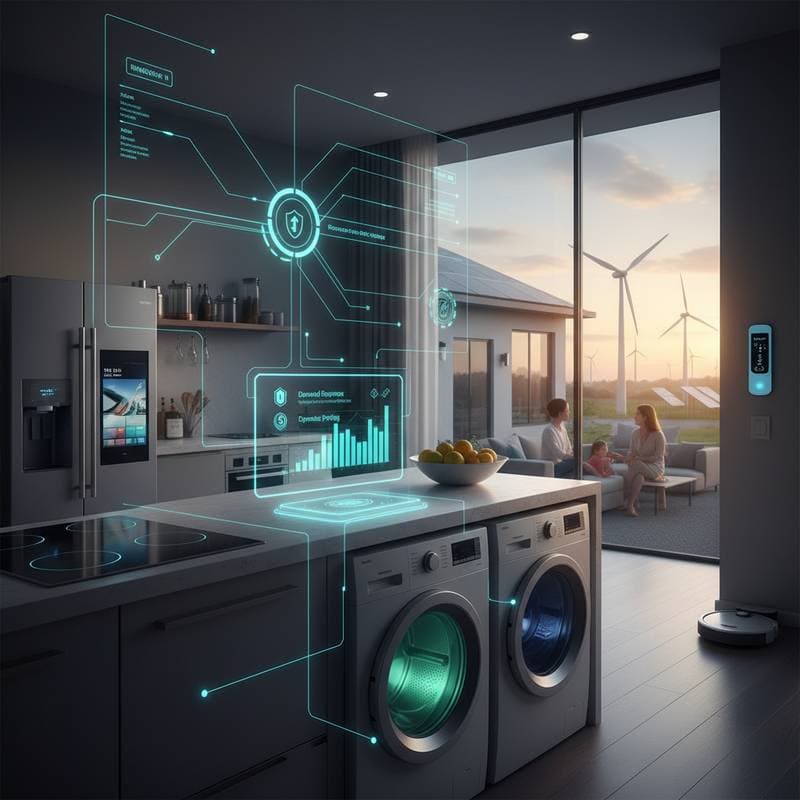
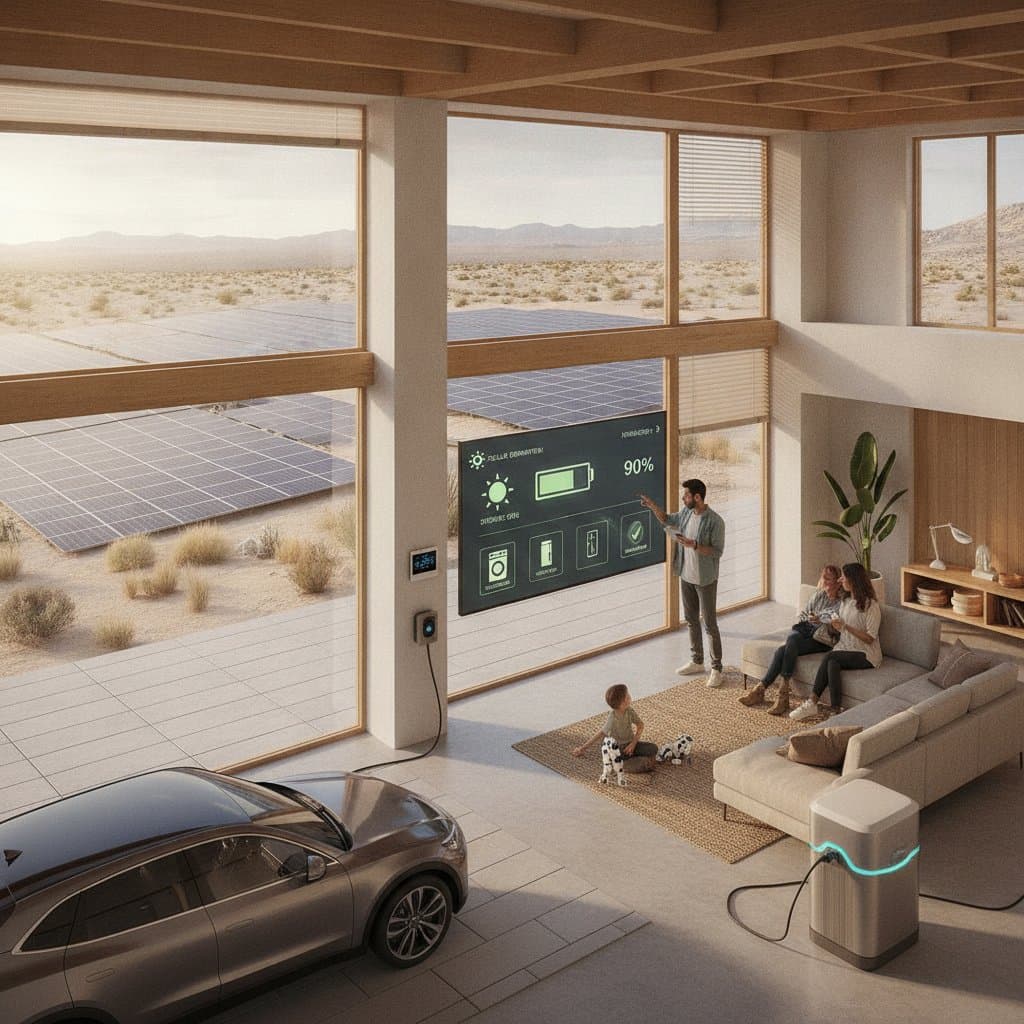
Off-grid smart homes integrate solar power, intelligent storage, and automation to achieve complete energy independence while preserving comfort and efficiency.
Walt Gardner•Jun 30
Loading...
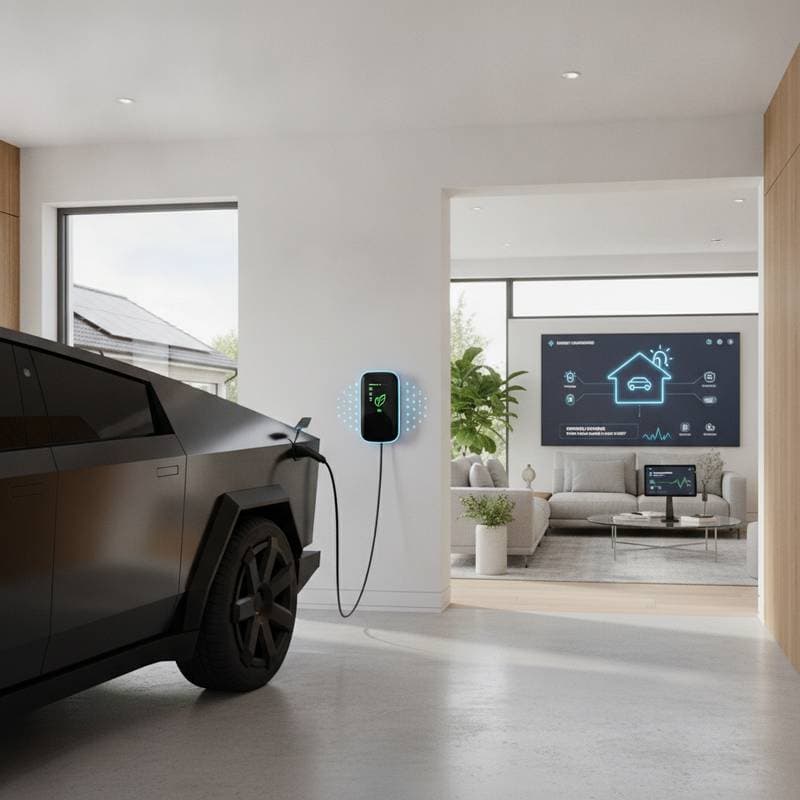
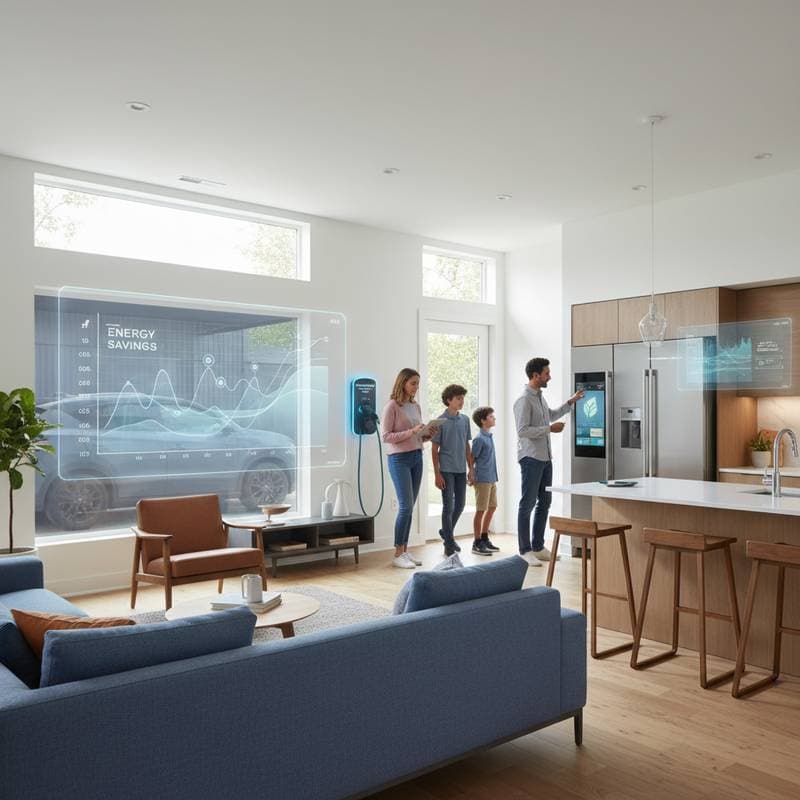
Smart homes are transforming EV charging by automatically adjusting to energy prices, weather, and renewable availability. These intelligent systems cut costs, reduce grid strain, and use solar or stored power when possible. With seamless automation and real time optimization, homeowners gain efficiency, sustainability, and effortless control over their energy future.
Explore our collection of integration related content
Off-grid smart homes integrate solar power, intelligent storage, and automation to achieve complete energy independence while preserving comfort and efficiency.
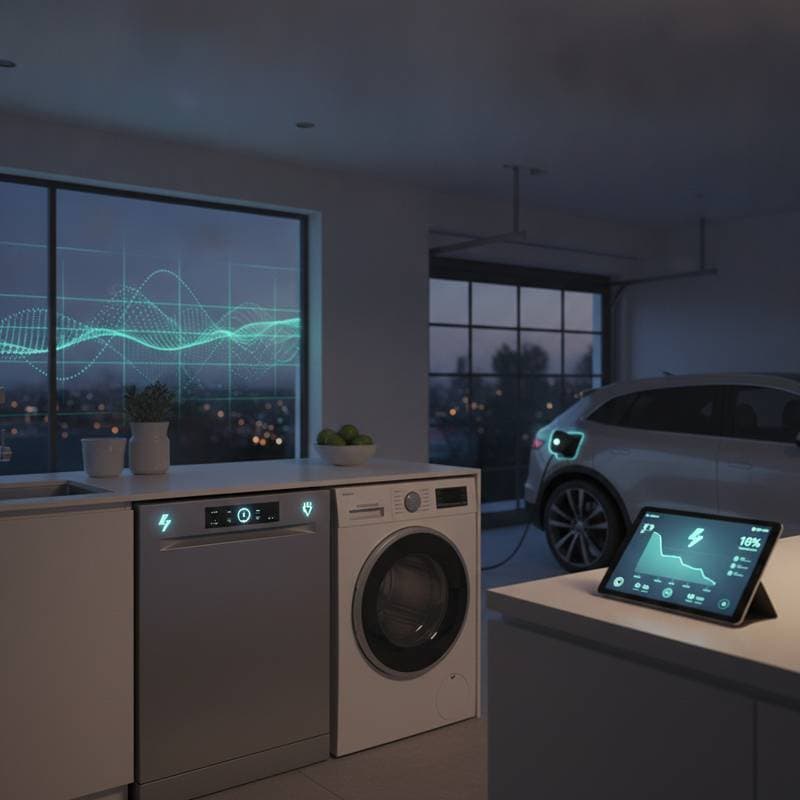
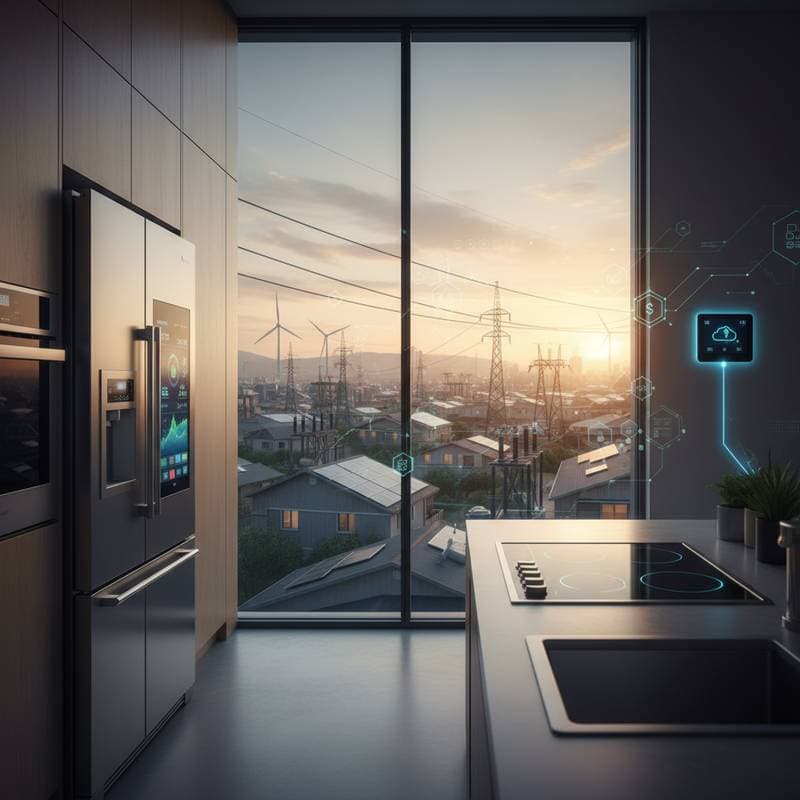
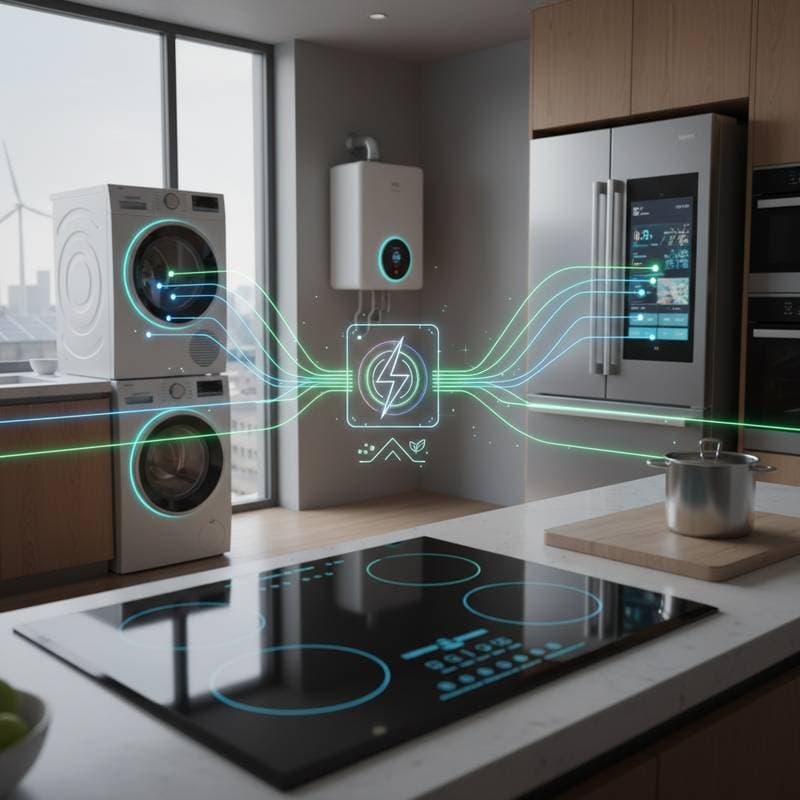
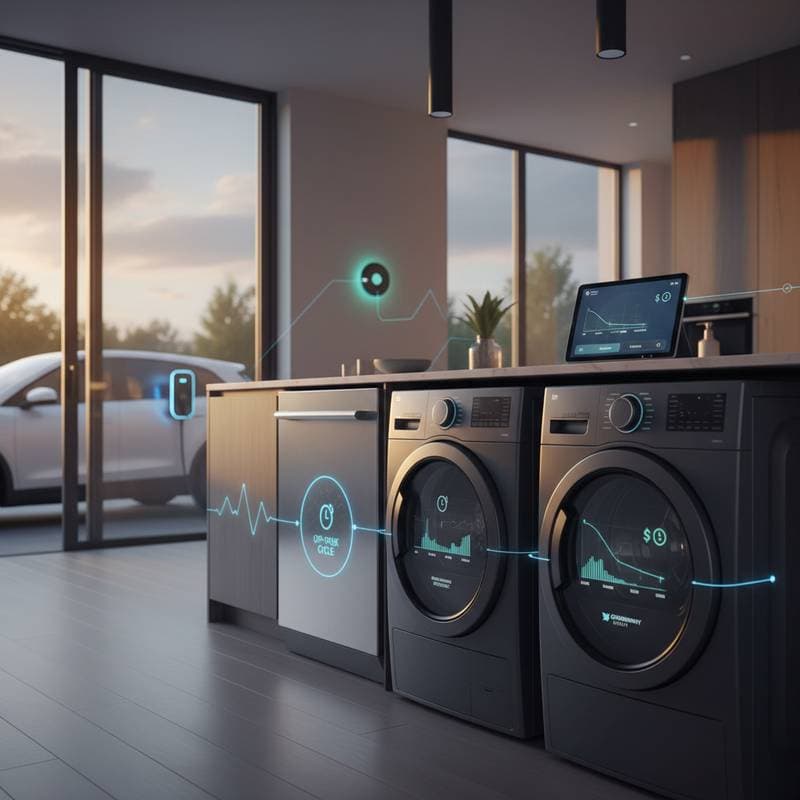
Smart appliances now connect directly to utility signals and run during free off-peak windows. The result is lower bills, higher renewable use, and a more reliable power system with almost no effort from homeowners.
Discover how off-grid smart homes combine solar panels, intelligent batteries, and automated energy management to deliver true energy independence. Learn the essential components, costs, and optimization strategies that keep a home running efficiently day and night.
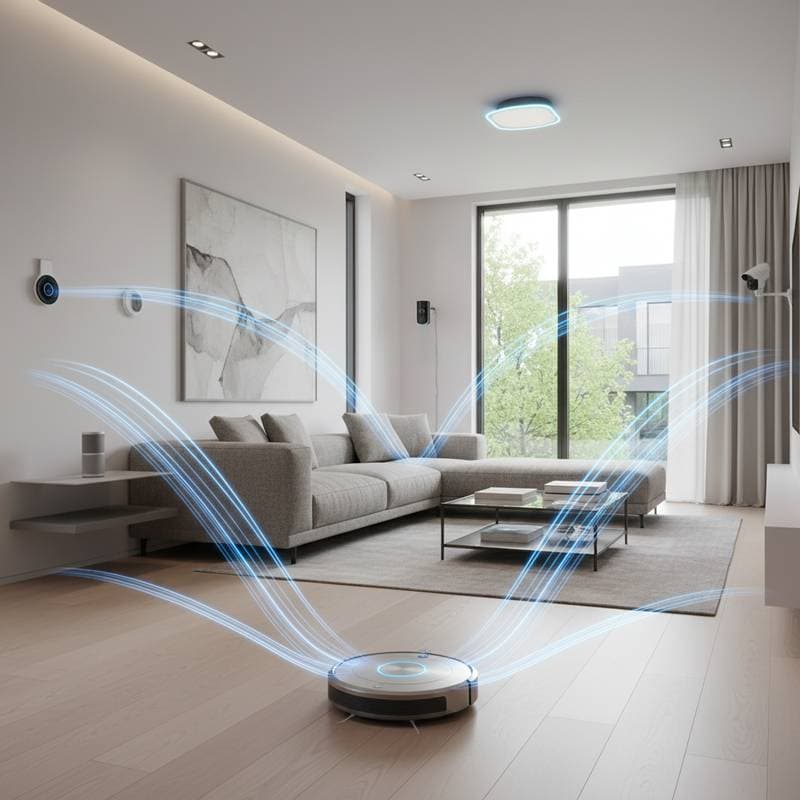
Robot vacuums now combine mobility, sensors, and AI to coordinate lighting, security, and climate systems while learning household patterns.
By 2026 smart homes achieve true energy independence through solar power, intelligent storage, and automated management. Homeowners generate, store, and optimize clean energy while cutting costs and boosting resilience. Integrated systems, smart devices, and virtual power plant programs reshape sustainable living.
Solar smart homes merge innovative panels, battery storage, and smart controls for off-grid autonomy. This guide details system design, scaling, and automation to boost efficiency, savings, and eco-friendliness, turning your residence into a solar-powered haven.
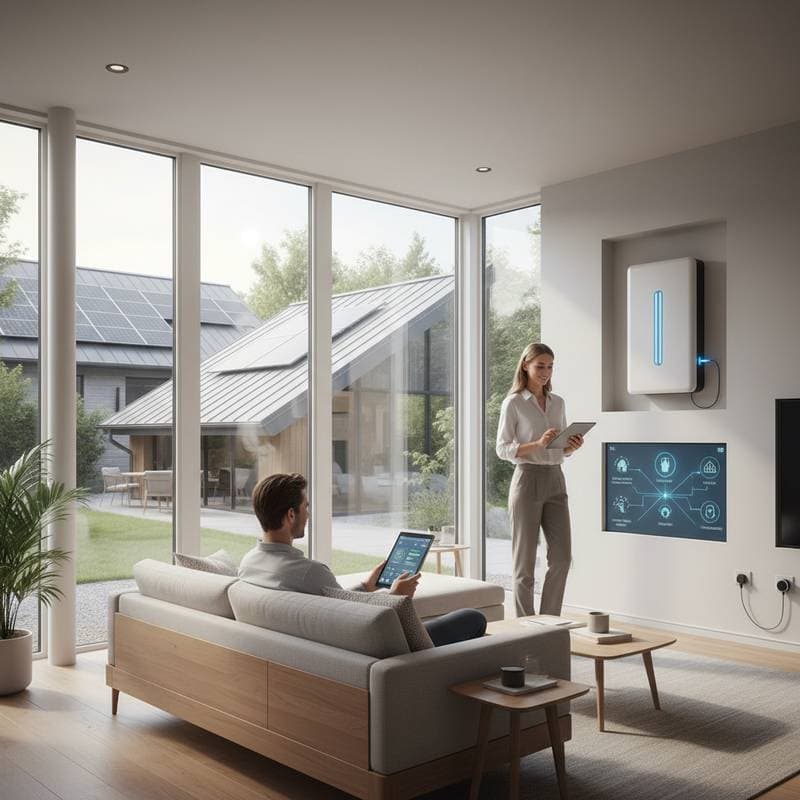
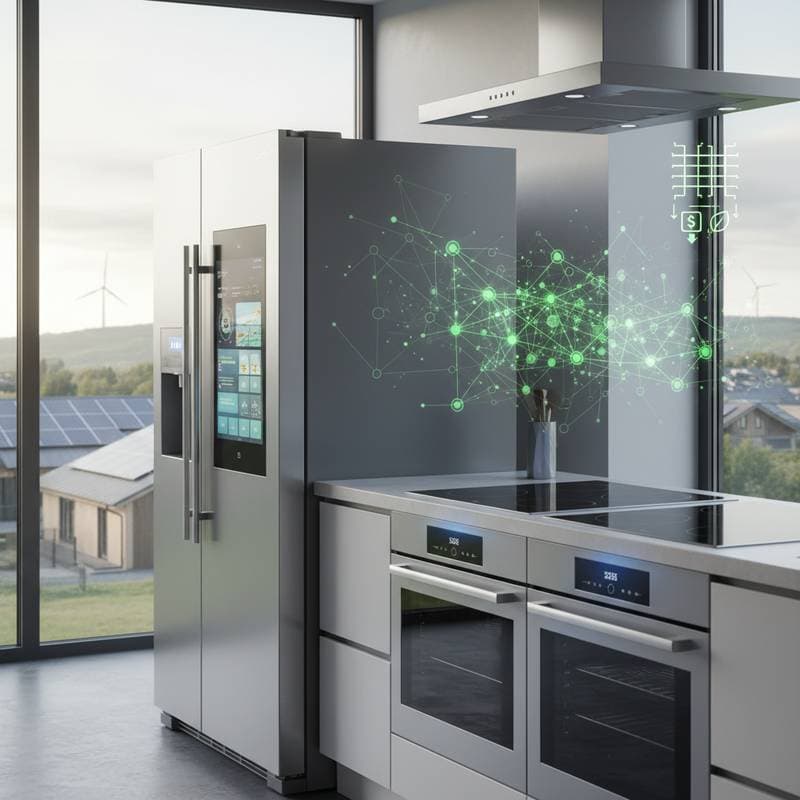
Connected smart appliances transform into proactive energy allies by interfacing directly with utility grids. They optimize power consumption in real time to align comfort with cost savings and environmental goals, reducing outages, integrating renewables, and paving the way for adaptive, eco-friendly homes.
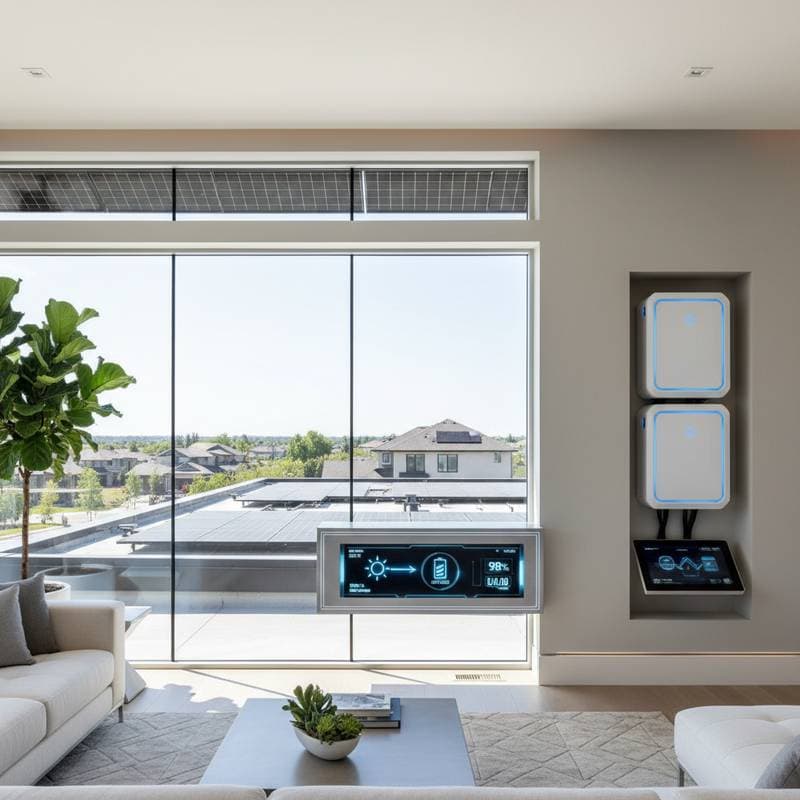
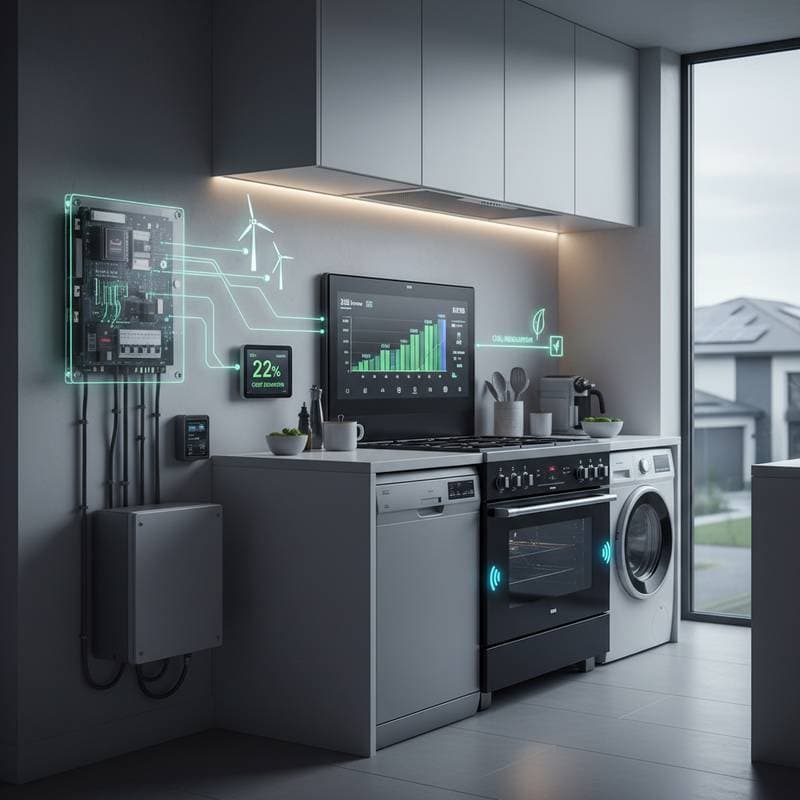
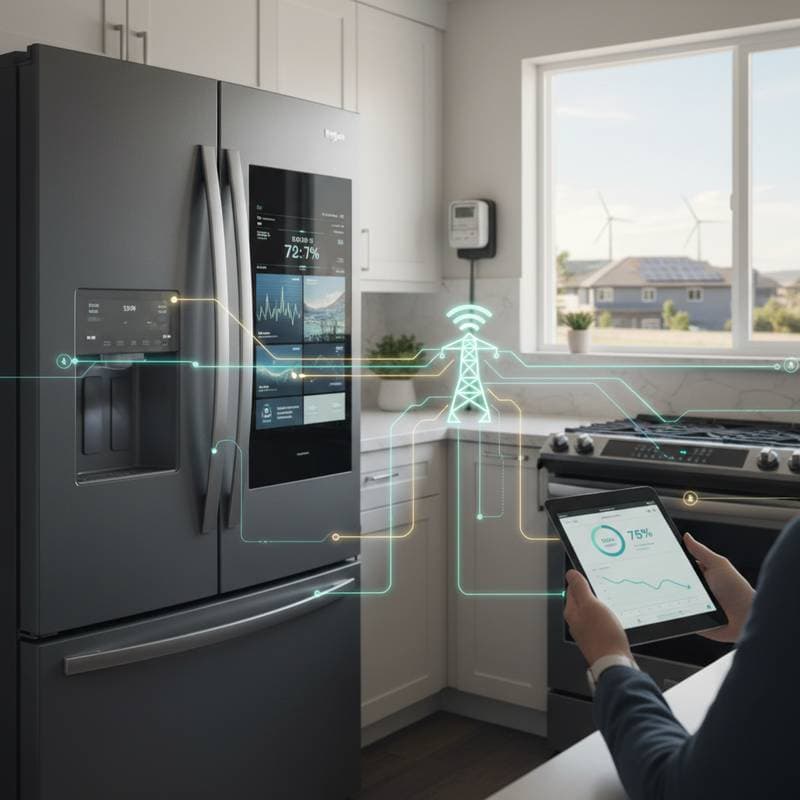
By 2026, smart appliances will integrate directly with solar panels via standards like Matter, enabling automatic energy balancing. This setup reduces costs, enhances efficiency, and minimizes carbon emissions, paving the way for responsive, solar-powered residences.
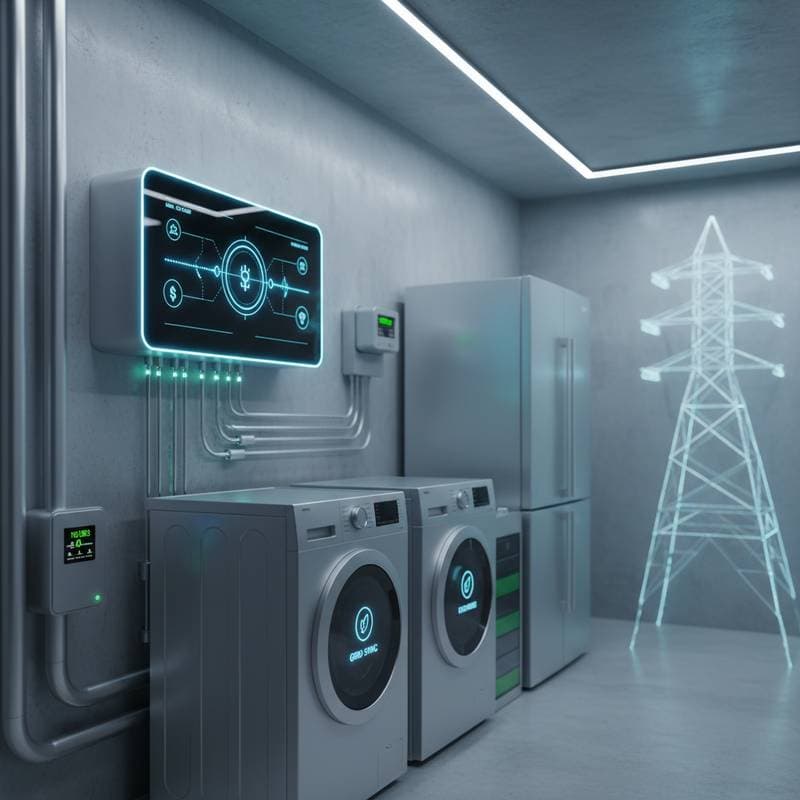
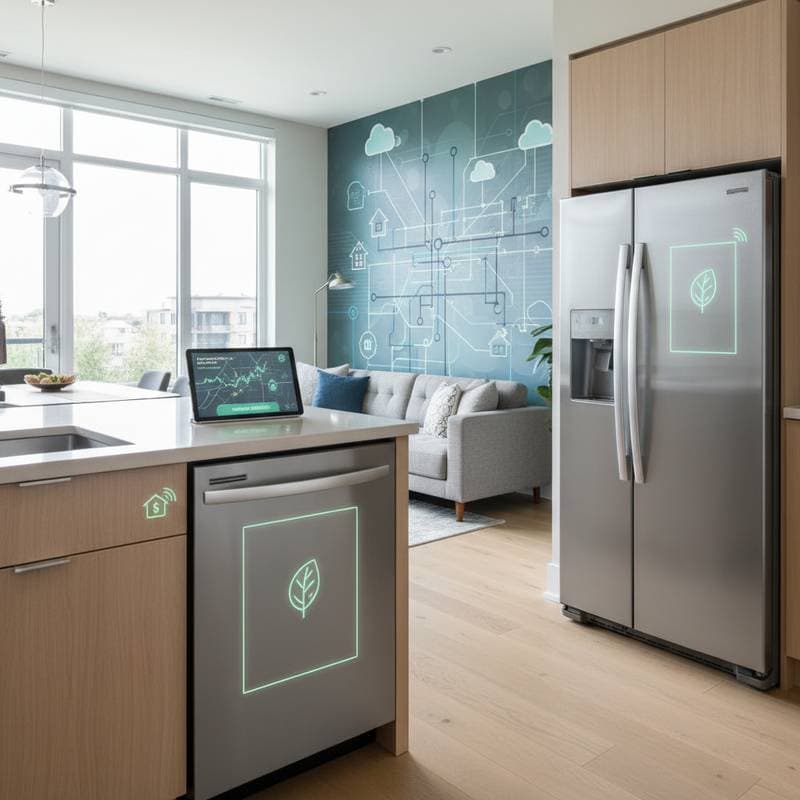
Grid-connected smart appliances turn homes into efficient energy partners, syncing automatically with utility signals to lower bills, boost sustainability, and simplify daily power management.
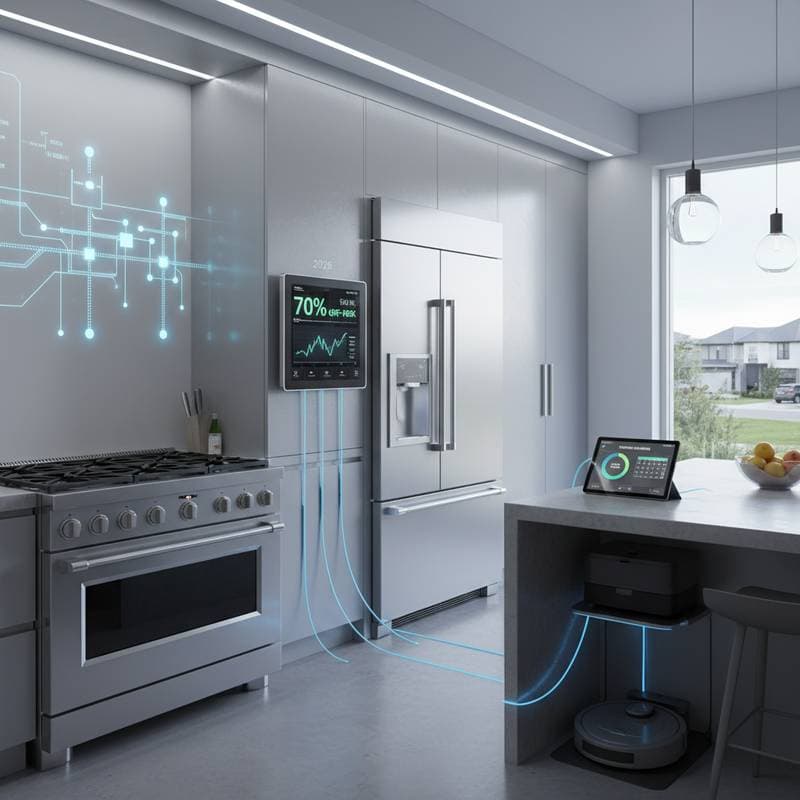
Grid-integrated smart appliances automate energy use to off-peak times, yielding up to 70 percent savings. This guide covers demand response technology, device selection, setup processes, and optimization strategies for cost-effective, convenient home management.
Grid-connected smart appliances automate energy adjustments to slash bills, support grid stability, and advance eco-friendly living. Devices like washers, refrigerators, and water heaters optimize usage during low-cost periods, unlocking rebates and cutting emissions effortlessly.
Grid-synced smart appliances revolutionize energy consumption by adjusting in real time to grid demands, potentially saving $200 monthly on bills. These devices integrate with utilities for optimized performance, greater sustainability, and improved grid reliability, simplifying home energy management into a seamless, cost-effective, and eco-conscious process.
By 2026, off-grid solar smart homes will enable full energy independence. High-efficiency panels, robust batteries, and automated controls allow homeowners to produce, store, and optimize power. These systems range from affordable to luxury options, providing sustainability, reliability, and freedom from utility dependence.
Smart appliances have advanced beyond mere convenience, becoming key players in energy optimization. Through direct utility links, they adapt consumption dynamically to save money, alleviate grid stress, and bolster renewables. Learn about connected ecosystems, universal standards, and rebates that empower devices for intelligent energy use.
Smart appliances evolve homes into proactive energy managers by integrating with utilities to minimize costs and bolster grid reliability. Through automatic adjustments during peak periods, these devices provide financial savings, incentives, and environmental advantages, positioning household items as savvy contributors to a more efficient and eco-friendly tomorrow.
Smart appliances evolve homes into collaborative elements of the energy grid. These devices communicate with utilities to optimize consumption, decrease expenses, and improve system reliability. Demand response programs, dynamic pricing models, and automated controls enable households to balance convenience with environmental responsibility, paving the way for an efficient and resilient energy landscape.
Grid-connected smart appliances align with utility pricing to operate during low-cost periods, minimizing expenses and easing grid demands. Devices such as dishwashers and dryers leverage real-time signals, incentives, and automation for seamless savings, promoting an efficient and sustainable home energy setup.
Smart appliances connect directly to utilities to reduce energy expenses, secure rebates, and alleviate grid strain automatically. Devices such as dishwashers and refrigerators adjust operations to off-peak times while preserving comfort. Discover secure connections, incentives, and compatibility options that enable effortless, eco-friendly living with tangible financial benefits.
Smart appliances turn homes into efficient energy partners by integrating with the power grid. These devices lower costs, improve efficiency, and promote renewable energy use through automatic responses to demand signals, easing the path to sustainable living.