Smart Homes Reach Energy Independence with Solar
Imagine watching your energy meter spin backward while every light in your home glows with power collected directly from your roof. No monthly anxiety over rising utility costs arises. No guilt over energy use surfaces. Quiet confidence grows that your smart home runs on its own clean supply.
For many homeowners that vision is no longer a dream. It is the natural next step in the evolution of smart living.
Why Energy Independence Matters Now
You invested in smart bulbs, thermostats, and perhaps a voice assistant that runs daily routines. Every connected feature still relies on the grid. When prices spike or the power goes out, the smart home suddenly feels less capable.
Energy independence breaks that dependency. It provides the ability to generate, store, and manage your own power. The appeal lies in resilience and control. A self-sufficient smart home keeps your family comfortable and safeguards systems during outages. It can even feed unused energy back to the grid for credit.
The combination of solar panels, intelligent battery storage, and predictive energy management software makes this possible.
The Big Picture: Smart Energy Integration
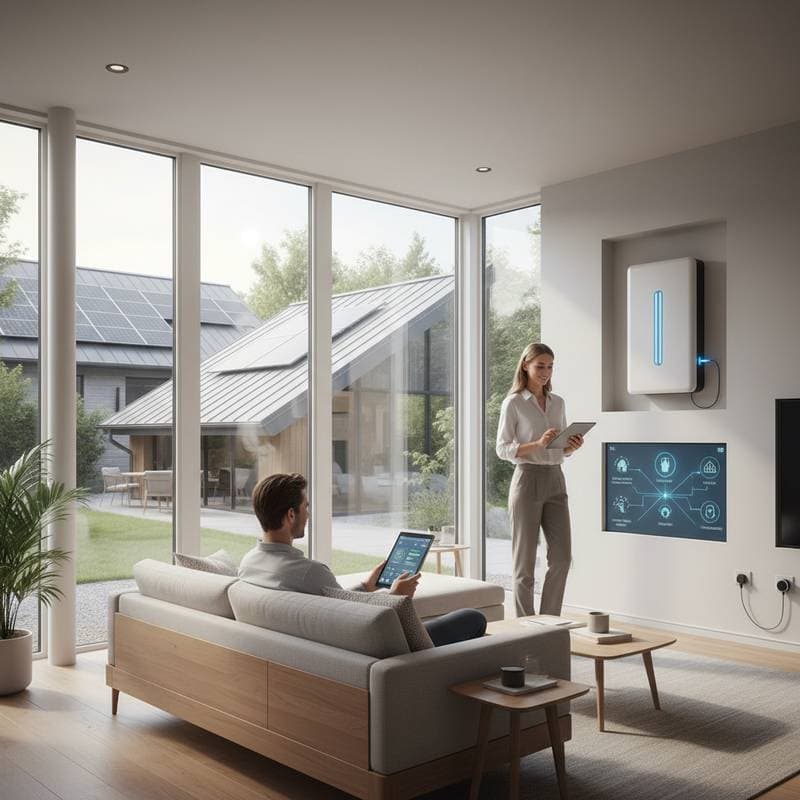
Smart energy integration connects solar generation, storage, and usage into one responsive ecosystem. When the solar array collects power, the system decides in real time how to use it. Options include operating appliances, charging the battery, or exporting to the grid.
The intelligence comes from devices that communicate through standards like Matter and Zigbee. These standards ensure compatibility across brands. The latest smart inverters and battery systems now integrate directly with popular ecosystems such as Google Home, Apple Home, and Alexa.
They let you view live production, consumption, and storage levels from your phone. Some systems even automate usage. They run heavy appliances like dishwashers or EV chargers when solar output is highest.
Step-by-Step: Building Your Energy-Independent Smart Home
-
Evaluate Your Energy Profile
Start with a utility bill review to understand daily and seasonal consumption. Use a smart energy monitor like the Emporia Vue or Sense Home Energy Monitor to pinpoint which devices use the most electricity. -
Choose the Right Solar Array
For most homes a 6 to 8 kW solar system provides strong coverage. Budget systems such as the Renogy 400W Starter Kit suit learning or small applications. A mid-range setup like Qcells Q.PEAK DUO BLK-G10 panels runs about 1.10 dollars per watt installed. For premium efficiency SunPower Maxeon panels deliver top-tier conversion and longevity. -
Add Battery Storage
Storage is the key to energy independence. A single Tesla Powerwall 2 costs around 11000 dollars installed and stores roughly 13.5 kWh of energy. The LG Chem RESU 10H fits mid-range budgets. For smaller setups the EcoFlow Delta Pro offers portable flexibility. Aim for enough capacity to power critical loads overnight. -
Integrate Smart Management
Use a smart hub or energy platform to coordinate devices. The Enphase IQ System Controller or SolarEdge Energy Hub can automatically shift loads. This ensures energy efficiency without constant user input. You can also connect smart plugs, thermostats, and appliances to follow solar availability patterns. -
Monitor and Optimize
Once live, track system performance daily. Many homeowners find that fine-tuning usage habits like running laundry mid-day can reduce grid draw by another 10 to 20 percent.
Practical Considerations
Budget expectations for a full home solar and battery system range between 18000 and 35000 dollars before incentives. Many regions still offer rebates or credit programs that cut upfront costs substantially.
From consultation to activation most projects take four to eight weeks. Always use certified installers who comply with electrical codes and handle permitting. Solar systems tie directly into the electrical panel, so professional installation remains essential.
Solar panels require minimal upkeep. A gentle cleaning twice a year keeps output high. Battery systems should be checked annually by a technician to verify health and connections.
Insider Tip: The Hidden Benefit of Smart Load Control
Smart energy controllers can extend battery life by dynamically adjusting load intensity. During cloudy periods the system can reduce HVAC output by just a few degrees instead of draining the battery completely. Over time this subtle management can add years to battery lifespan.
Insider Tip: Virtual Power Plant Integration
Some storage systems now support virtual power plant participation. This lets homeowners sell stored energy back to the grid during peak times. Companies like Tesla and Sunrun already offer programs that pay homeowners for contributing power when demand surges. It is a way to monetize independence while helping stabilize energy supply for the community.
The Smart Ecosystem Connection
Energy independence does not exist in isolation. Lighting, heating, and appliances all affect how efficiently solar power is used. Smart thermostats like the Ecobee Premium or Google Nest Learning Thermostat can sync with the energy system to time temperature adjustments with solar generation.
Smart plugs such as the Kasa HS300 can cut standby power when solar output drops. Even entertainment setups can play a role by automatically pausing charging cycles or dimming displays during peak load. The more connected the devices are, the more precisely the system can balance usage and production.
Long-Term Value and Sustainability
Energy independence creates a stable and predictable environment for the family. As grid costs rise and weather patterns grow unpredictable, an independent energy source ensures comfort and reliability. Solar systems with storage also increase property value and make homes more attractive to buyers who value sustainability.
Achieving Energy Independence
If coordinating solar panels, batteries, and smart systems feels overwhelming, start small. Install a few smart monitors and learn the energy profile. Then expand when ready. The right professionals can design a system that fits the roof, budget, and lifestyle.
Whether the goal is cutting the bill to zero or simply keeping the lights on during a storm, solar integration gives the smart home the independence it deserves. Post the project on a trusted marketplace like EnergySage or Thumbtack to compare local quotes and get matched with vetted installers.
Energy independence is not just about panels and batteries. It is about confidence, comfort, and control every day. When the home generates its own power, reliance on the grid ends. The result is a home that thinks, adapts, and sustains itself.