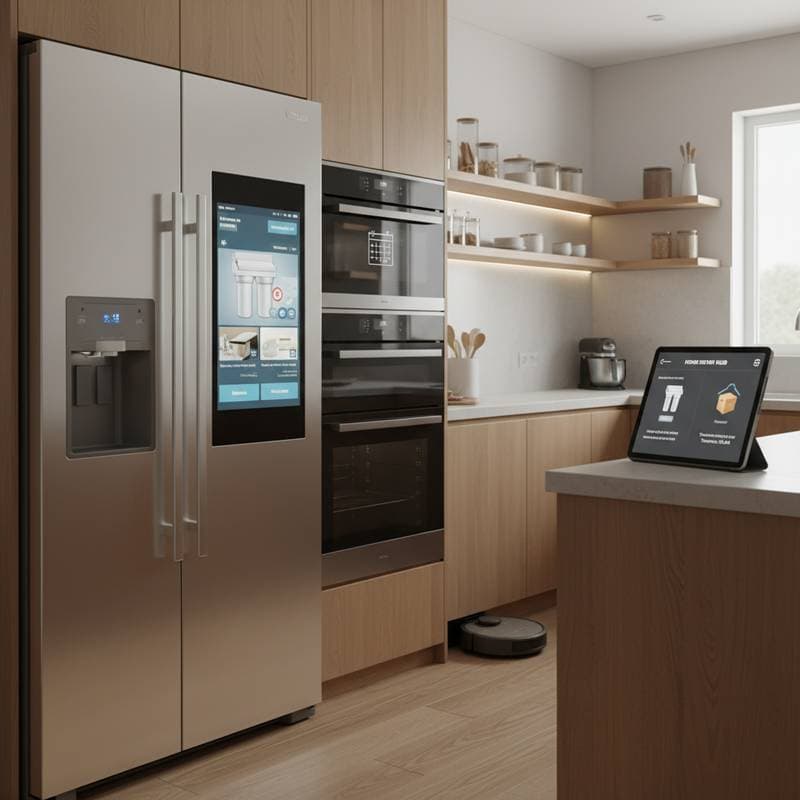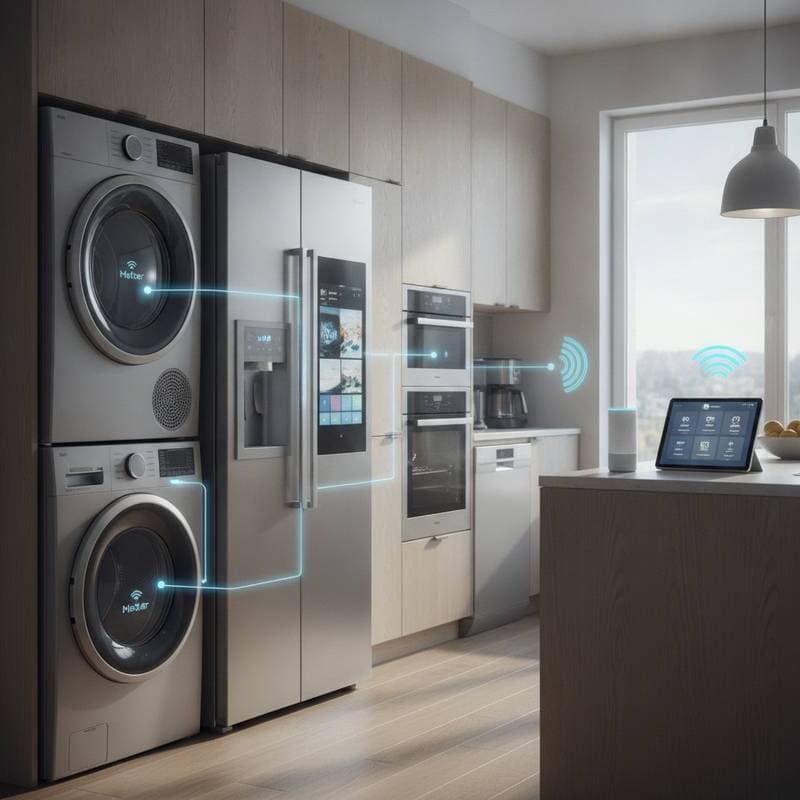
Smart Appliances Skip the Hub and Connect Direct
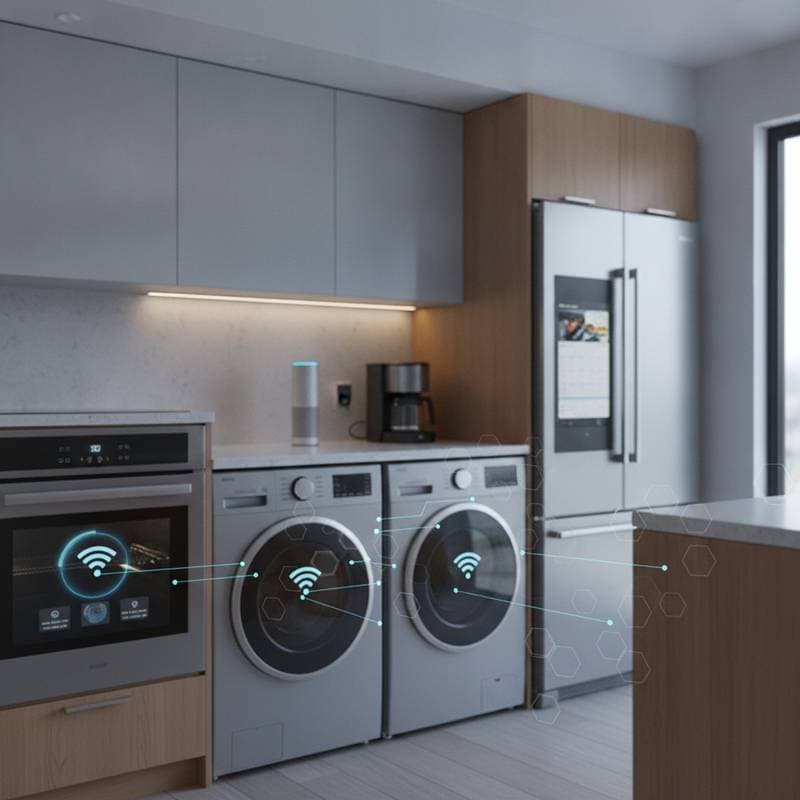
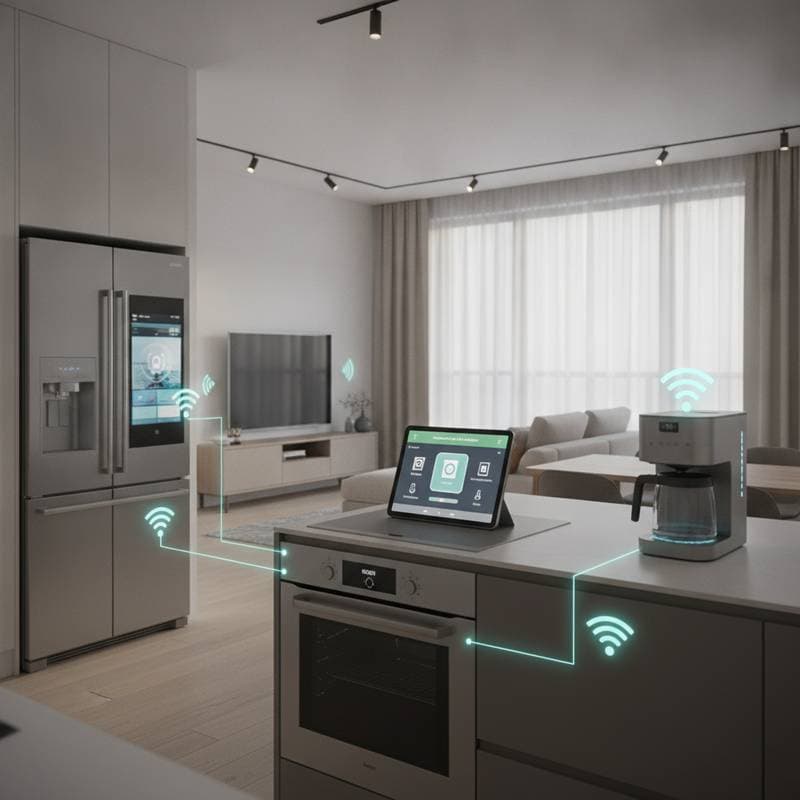
Smart appliances now connect directly via Wi-Fi, Bluetooth, or Matter. This approach removes hubs, reduces clutter, and improves compatibility while maintaining energy efficiency.
Jared Sanders•Jul 7
Loading...
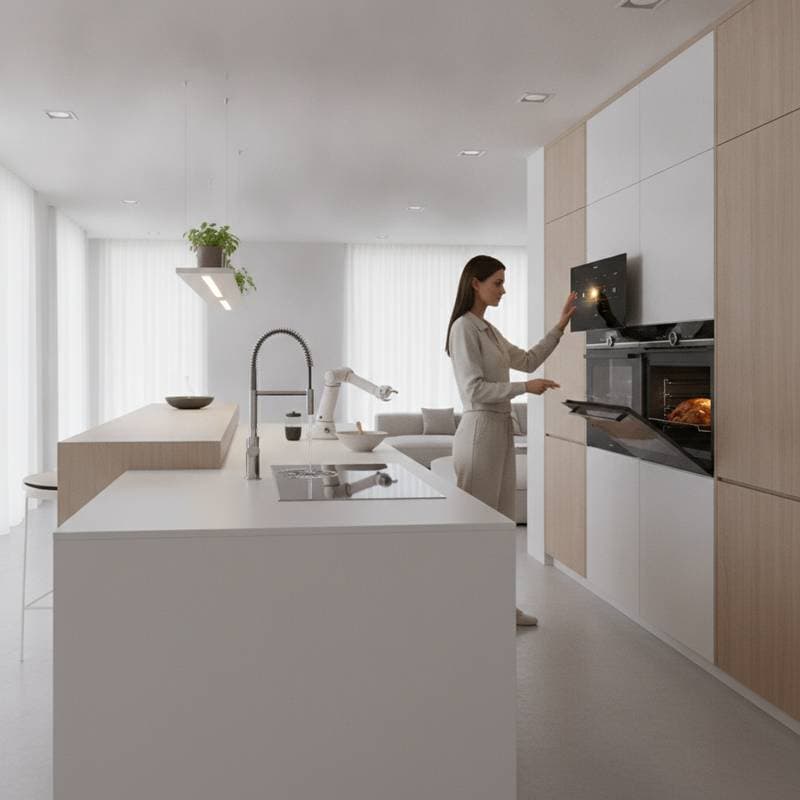
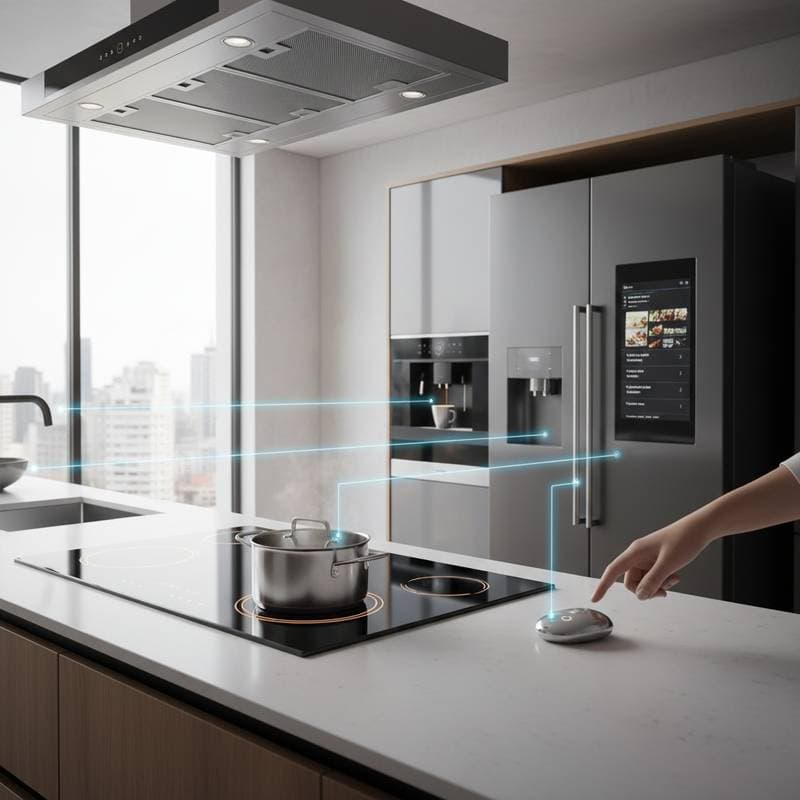
Gesture control turns kitchens into touchless environments. Motion sensors replace buttons on faucets, ovens, and lights. The systems improve hygiene, support accessibility needs, and reduce energy use through automatic responses.
Explore our collection of smart appliances related content
Smart appliances now connect directly via Wi-Fi, Bluetooth, or Matter. This approach removes hubs, reduces clutter, and improves compatibility while maintaining energy efficiency.
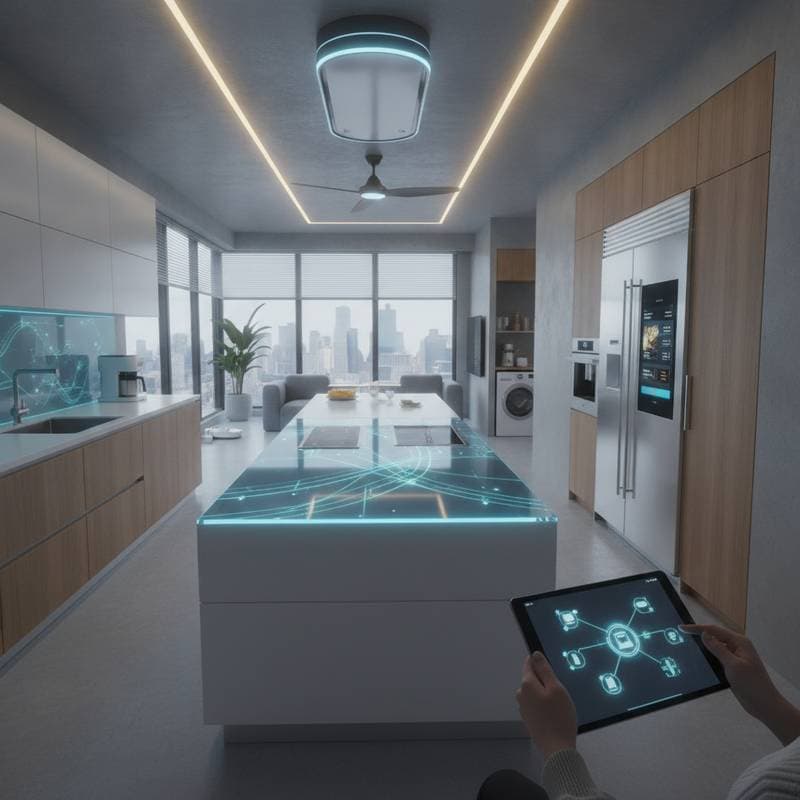
Smart homes are entering a hub-free era where appliances connect directly via Wi-Fi or Bluetooth. This seamless shift simplifies setup, boosts reliability, and enhances interoperability across brands. With faster updates, smarter automation, and effortless control, hubless technology transforms connected living into a more intuitive, efficient, and accessible experience for everyone.
Smart homes are shedding bulky hubs for seamless, direct device connections. Hubless smart appliances simplify setup, boost reliability, and enhance interoperability across brands. From faster response times to lower costs, this shift delivers effortless automation and a more connected living experience.
Smart appliances connect directly through Wi-Fi and Matter standards. This approach removes hubs, improves compatibility, and supports reliable automation across brands and platforms.
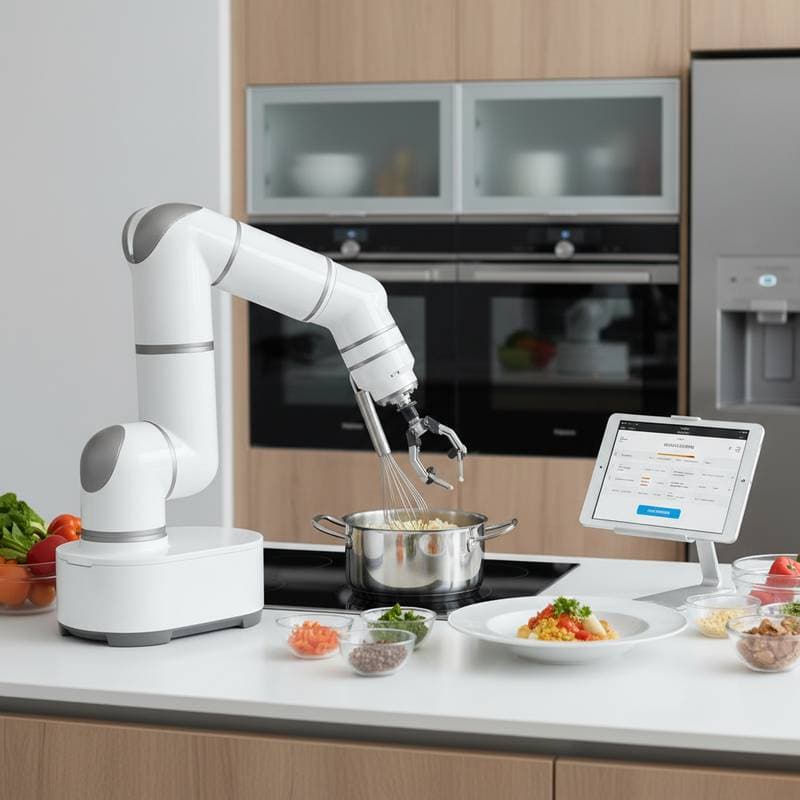
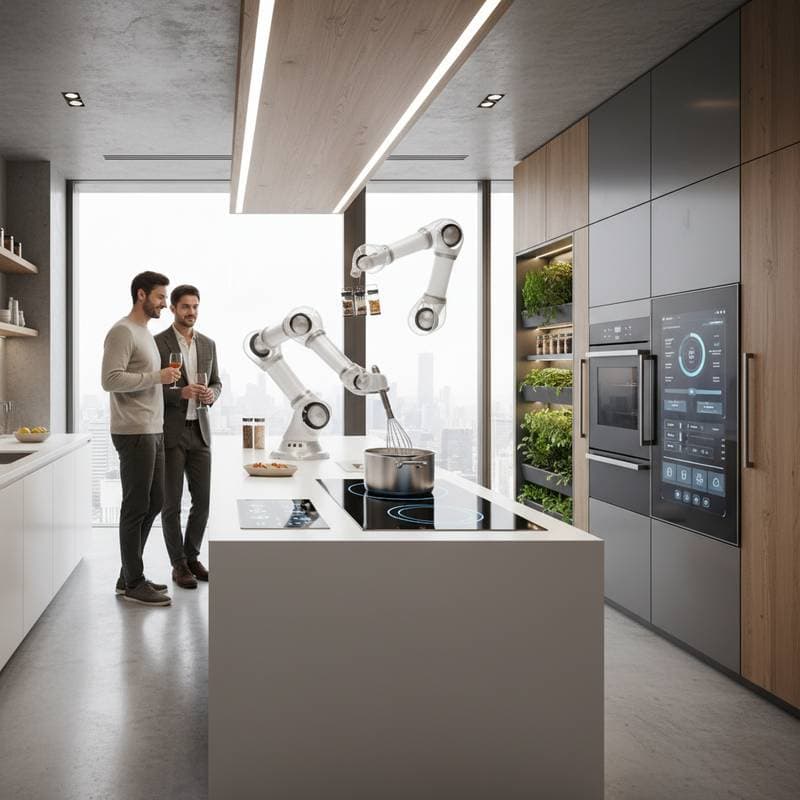
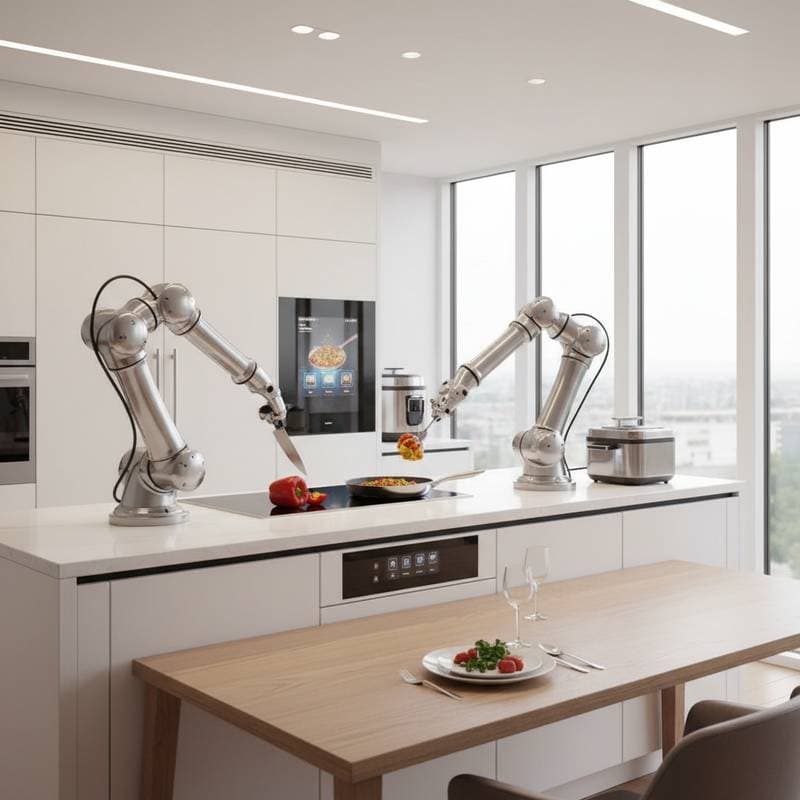
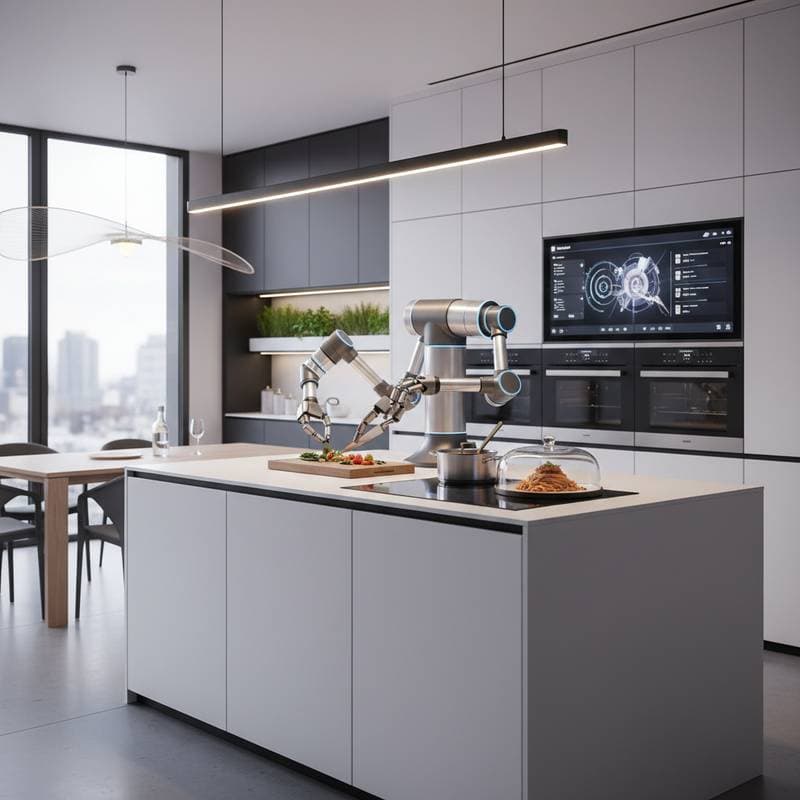
Robot chefs automate meal preparation with precision sensors and adaptive software. They handle tasks from chopping to plating while fitting into smart home setups and reducing daily effort.
Robotic kitchen arms under $3000 bring professional automation to everyday homes, offering precision in stirring, flipping, and plating while integrating with apps and appliances to save time and effort.
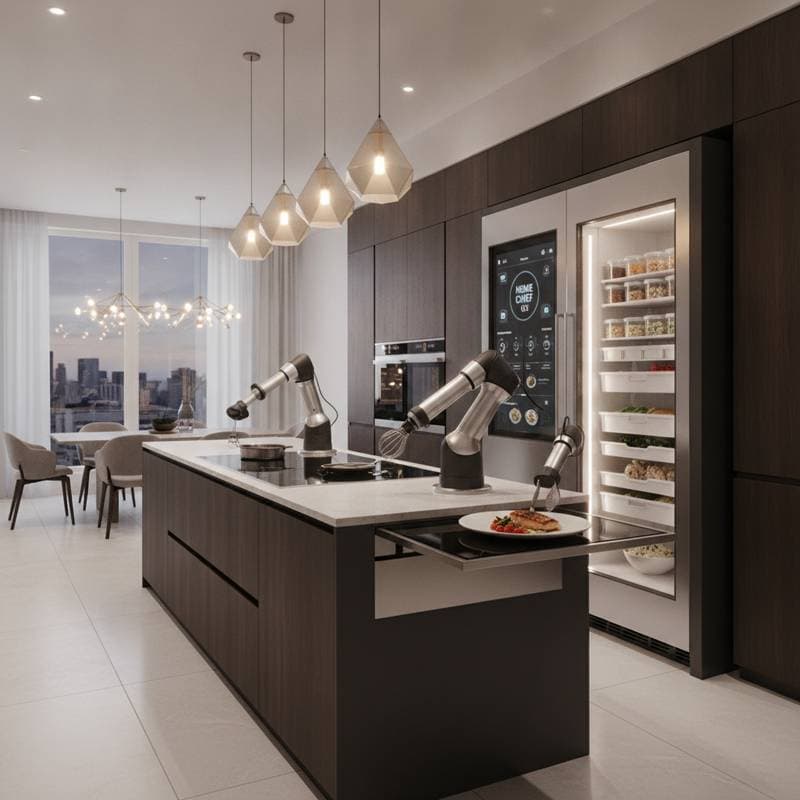
Smart kitchens merge automation with culinary creativity, using AI ovens, robotic assistants, and connected systems to streamline preparation, cut waste, and foster healthier, more enjoyable home dining experiences.
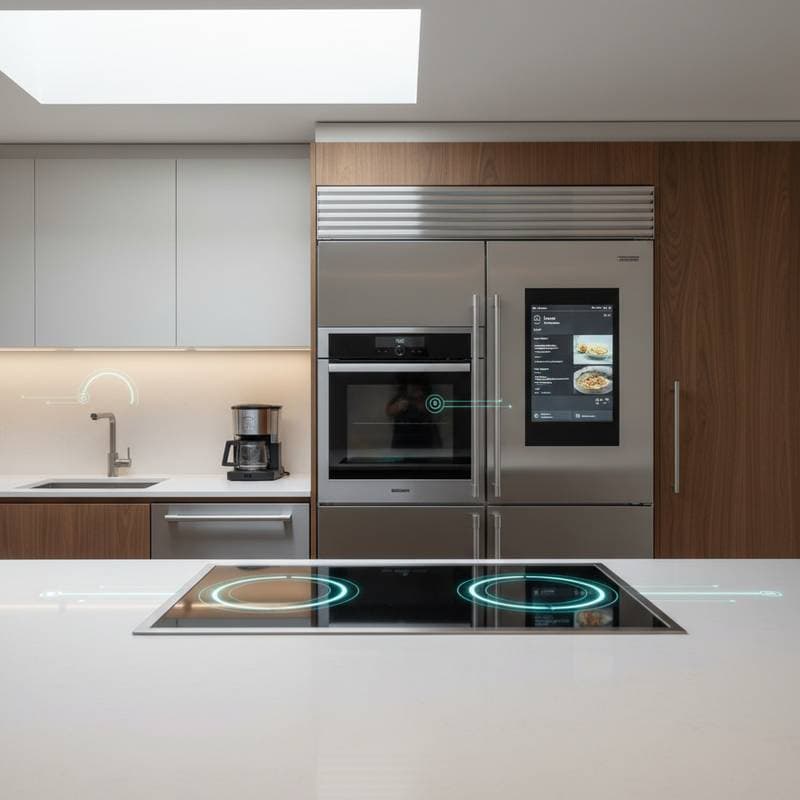
Hub-free smart appliances enable direct communication for streamlined kitchen operations. These devices deliver unified cooking, optimized energy use, real-time alerts, and personalized routines, fostering efficient, clutter-free spaces that enhance everyday life.
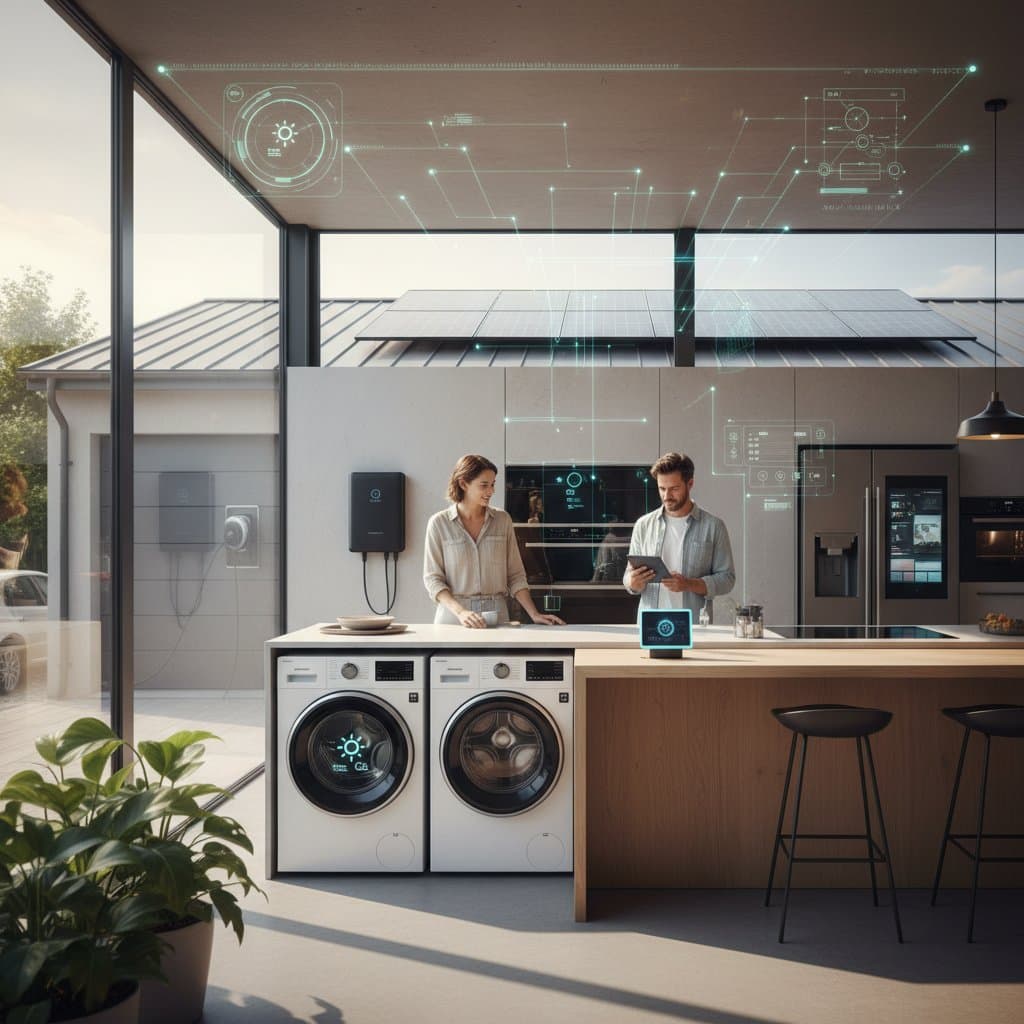
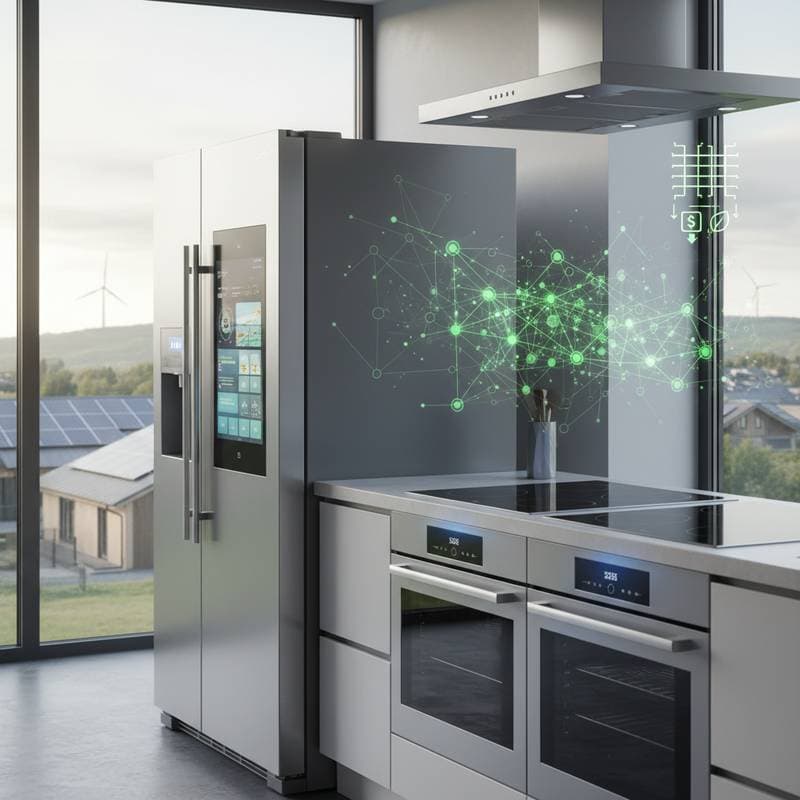
By 2026, smart appliances will integrate directly with solar panels via standards like Matter, enabling automatic energy balancing. This setup reduces costs, enhances efficiency, and minimizes carbon emissions, paving the way for responsive, solar-powered residences.
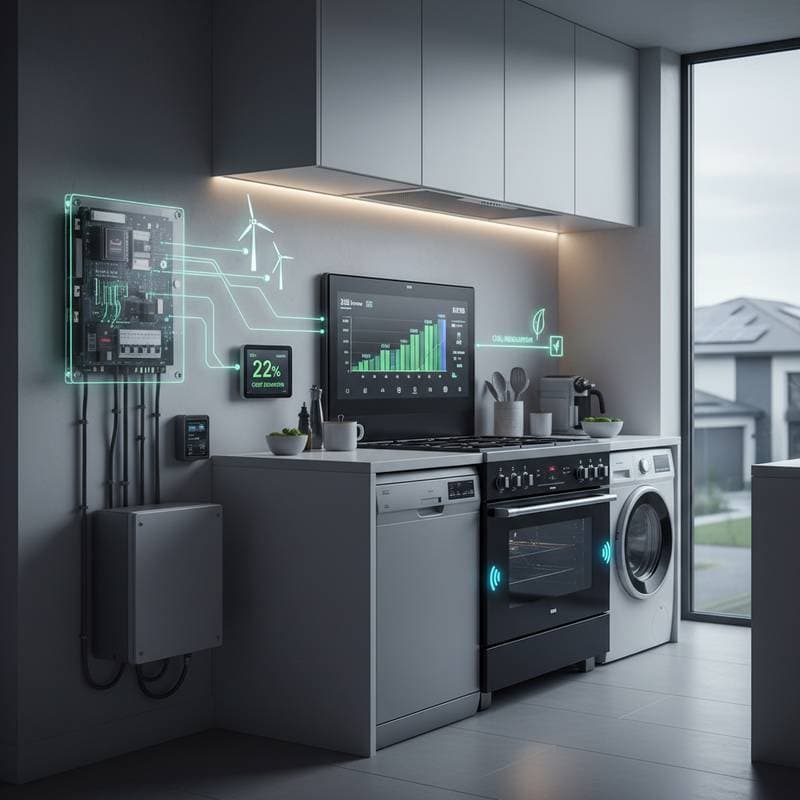
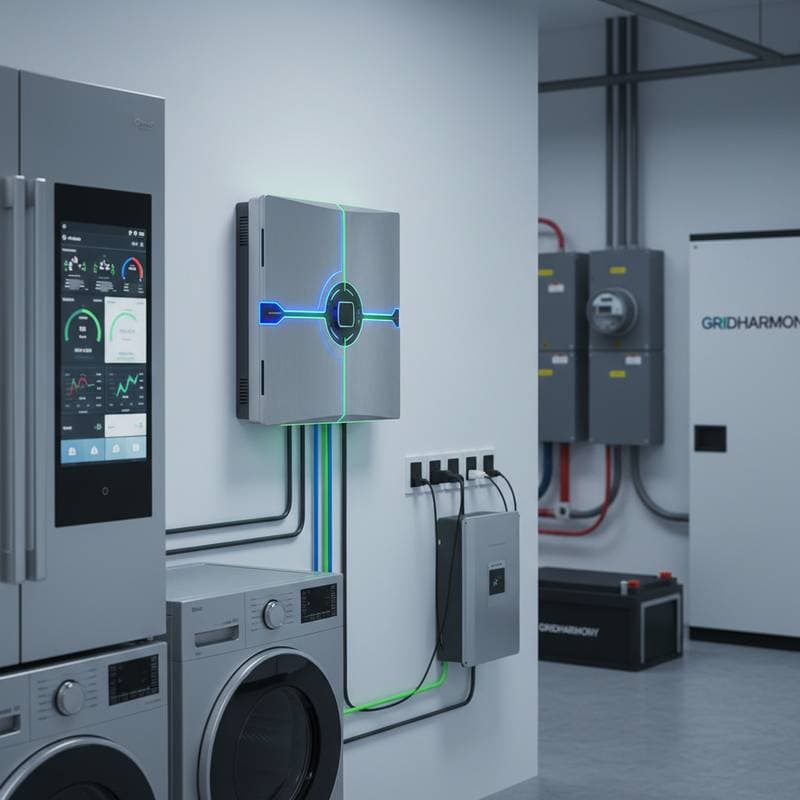
Grid-connected smart appliances turn homes into efficient energy partners, syncing automatically with utility signals to lower bills, boost sustainability, and simplify daily power management.
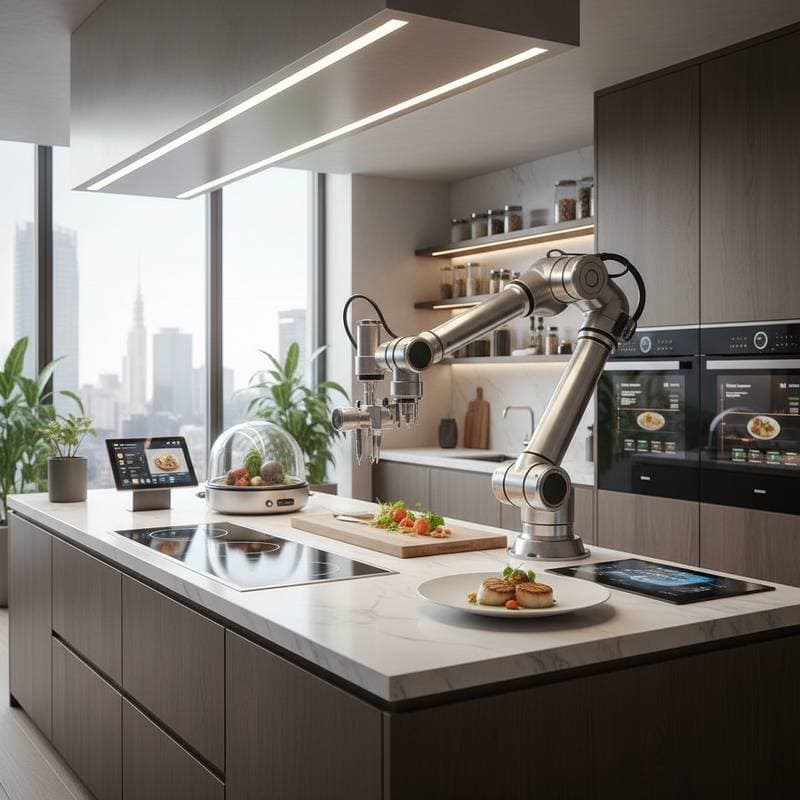
Robot chefs elevate home kitchens by automating meal preparation with AI accuracy and professional flair. Ranging from affordable multi-cookers to advanced robotic systems, they manage every step, integrating smart tech for personalized, sustainable dining that saves time and enhances creativity.
Kitchen robots redefine home cooking through automation, precision, and connectivity. These devices manage preparation, cooking, and cleanup, conserving time, minimizing waste, and inspiring culinary exploration in smart kitchens.
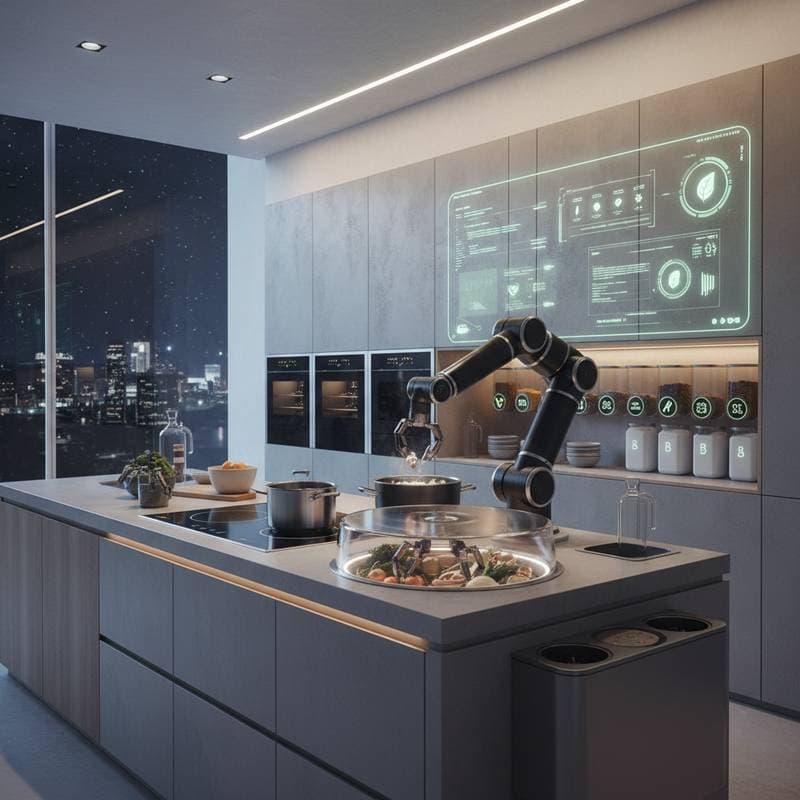
AI-powered kitchens redefine meal preparation by automating overnight cooking, integrating smart appliances for personalization, and promoting sustainability. These systems adapt to individual tastes, schedules, and environmental needs, making daily meals effortless and efficient.
By 2026, AI-powered robot chefs will elevate home kitchens to Michelin standards. Integrating sensors, smart appliances, and robotics, they execute flawless recipes from slicing to plating, blending convenience, eco-friendliness, and culinary excellence.
Smart appliances turn homes into efficient energy partners by integrating with the power grid. These devices lower costs, improve efficiency, and promote renewable energy use through automatic responses to demand signals, easing the path to sustainable living.
Smart appliances interact with the energy grid via demand response to manage usage, decrease costs, and cut emissions. Devices respond to signals by adjusting operations, boosting efficiency and device longevity. From basic plugs to high-tech refrigerators, these tools enable smarter, greener energy practices.
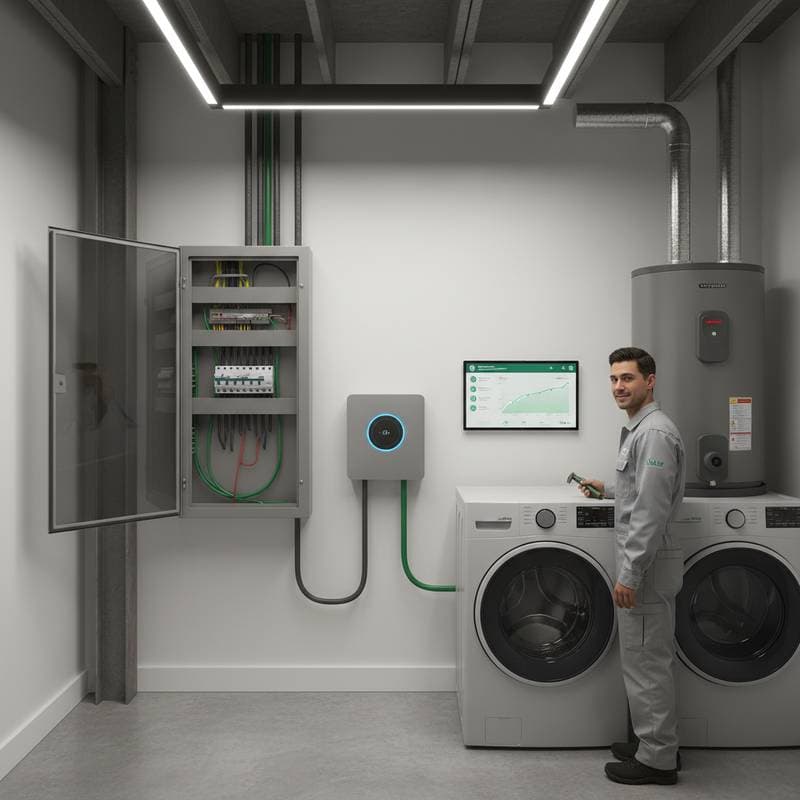
Smart appliances connect directly with utilities to run during off-peak hours, which cuts costs and reduces emissions. Devices from dishwashers to HVAC systems optimize energy use without sacrificing convenience. Learn how to connect them, earn incentives, and transform your home into an efficient, eco-friendly hub for smarter energy management.
Frustrated by multiple apps for smart devices? Matter-enabled appliances now enable direct local communication, bypassing cloud reliance for smoother automation, quicker responses, and greater data security in your connected home.
By 2025, smart appliances predict component failures, order necessary parts, and arrange repairs without human intervention. Leveraging sensors, cloud-based analytics, and integrated APIs, these devices reduce downtime, lower costs, and improve overall home efficiency. Self-diagnosing refrigerators and AI-powered ovens exemplify how predictive maintenance transforms convenience and reliability in modern living spaces.