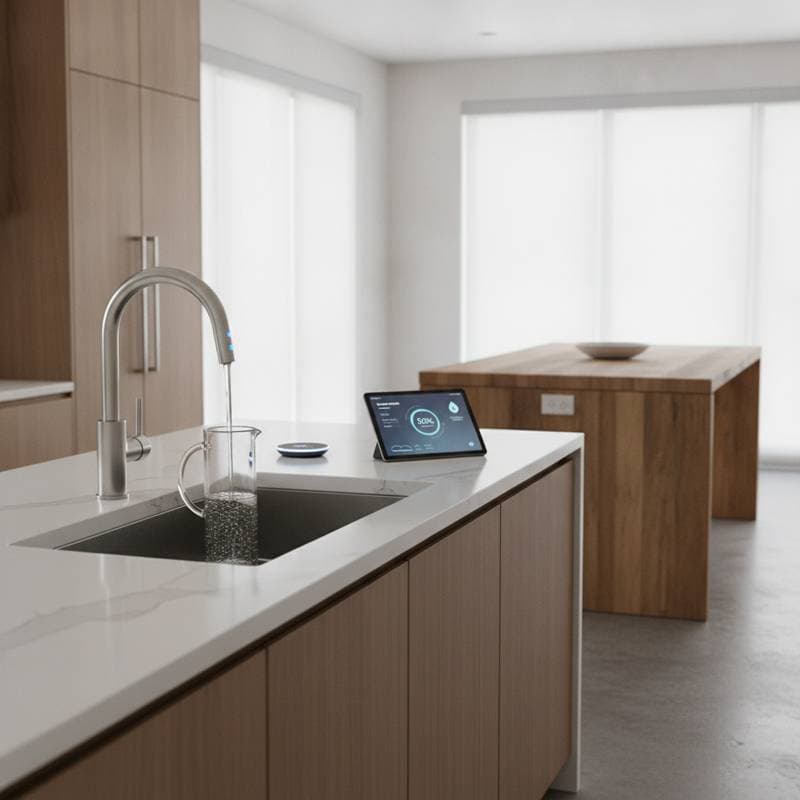
Touchless Faucets Cut Kitchen Water Waste by 50%
Touchless faucets use motion sensors to cut kitchen water waste by up to 50 percent. They combine hygiene, convenience, and smart features that support daily routines and long term sustainability.
Loading...

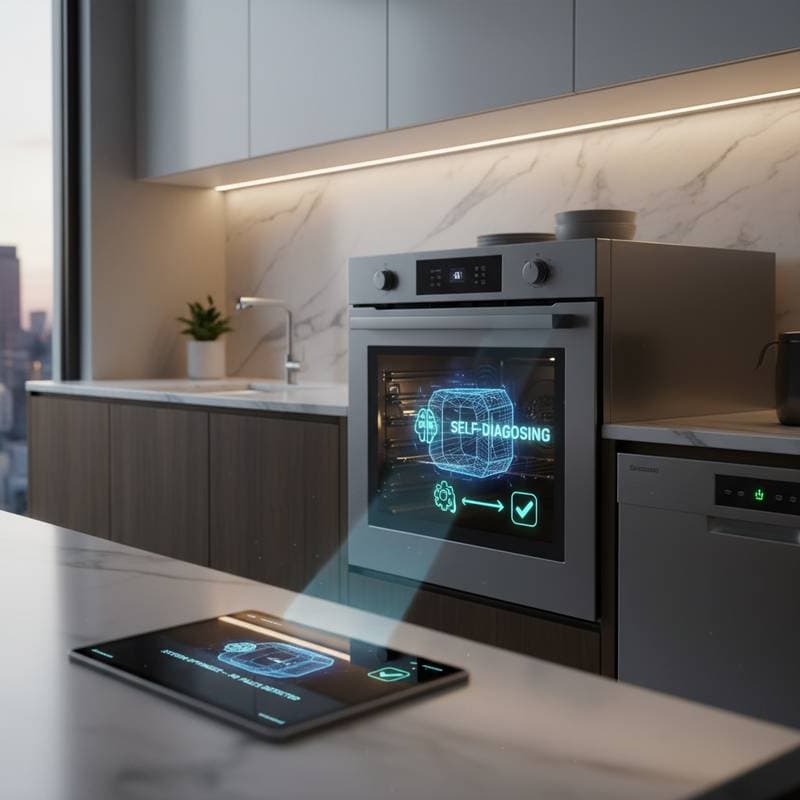
Smart kitchens are evolving beyond convenience into self maintaining ecosystems. New appliances use sensors and AI to detect issues early, prevent breakdowns, and extend lifespan. These innovations deliver fewer surprises, lower costs, and greater reliability.
Explore our collection of kitchen related content
Touchless faucets use motion sensors to cut kitchen water waste by up to 50 percent. They combine hygiene, convenience, and smart features that support daily routines and long term sustainability.
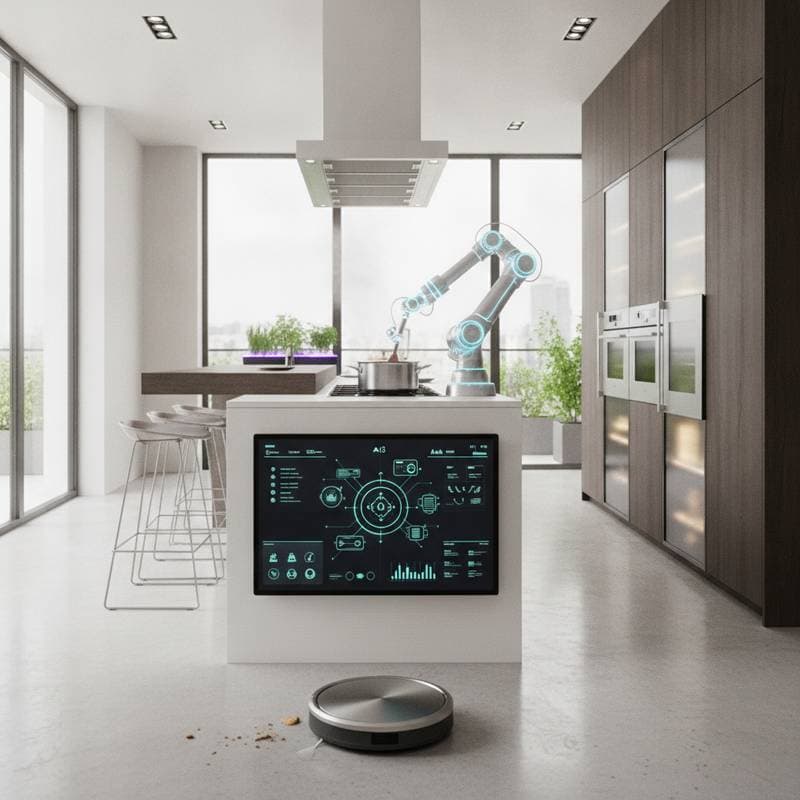
Robot vacuums and AI cooking systems now share data to coordinate cleaning and meal preparation, creating kitchens that handle tasks on a single schedule.
Gesture control turns kitchens into touchless environments. Motion sensors replace buttons on faucets, ovens, and lights. The systems improve hygiene, support accessibility needs, and reduce energy use through automatic responses.
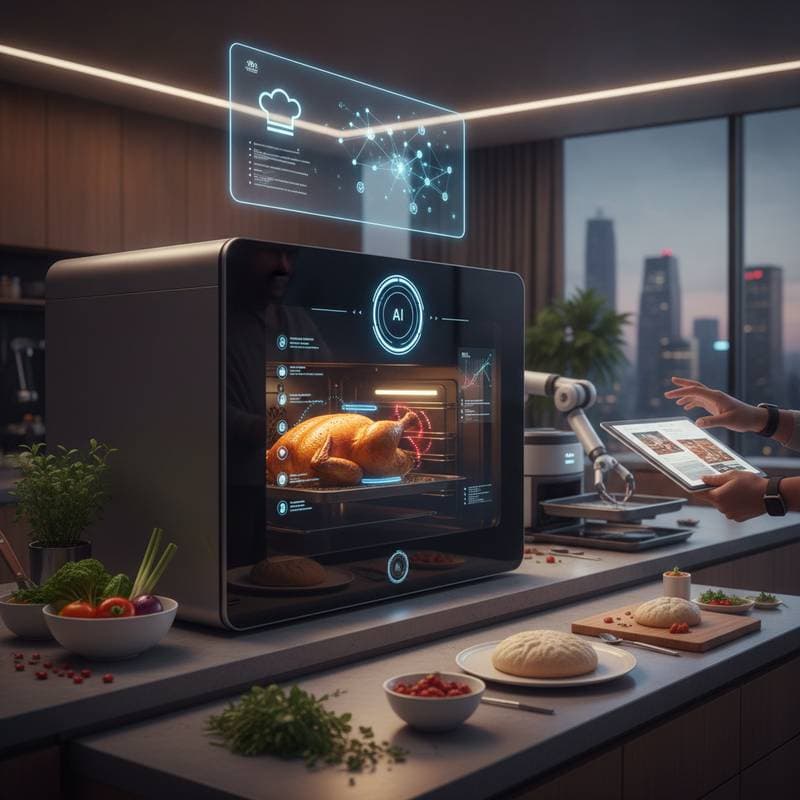
Smart ovens use sensors, cameras, and machine learning to identify food, track preferences, and automate precise cooking. These appliances reduce manual effort while improving consistency and energy efficiency in daily meal preparation.
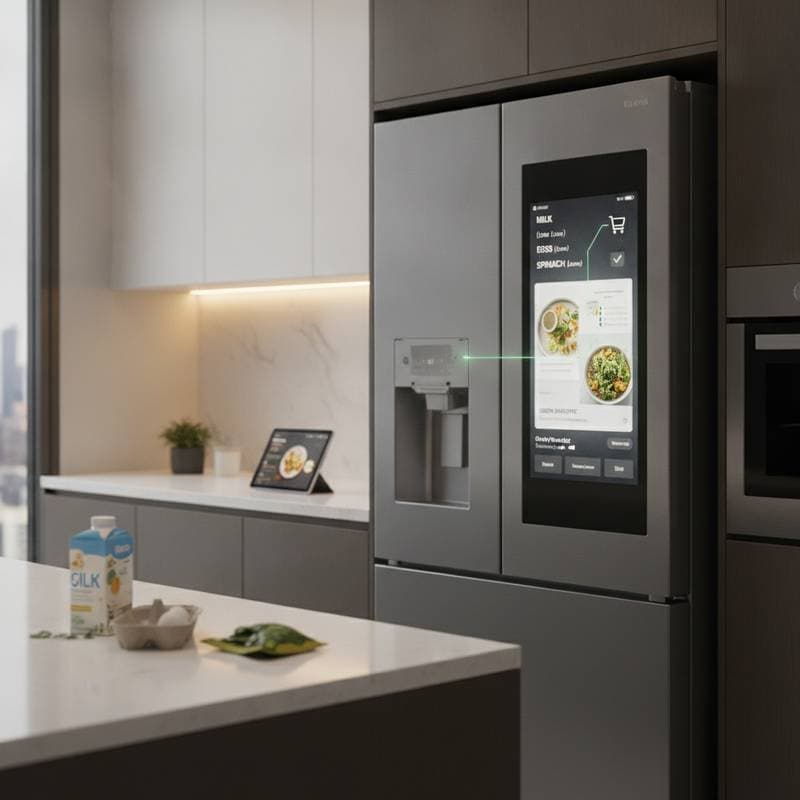
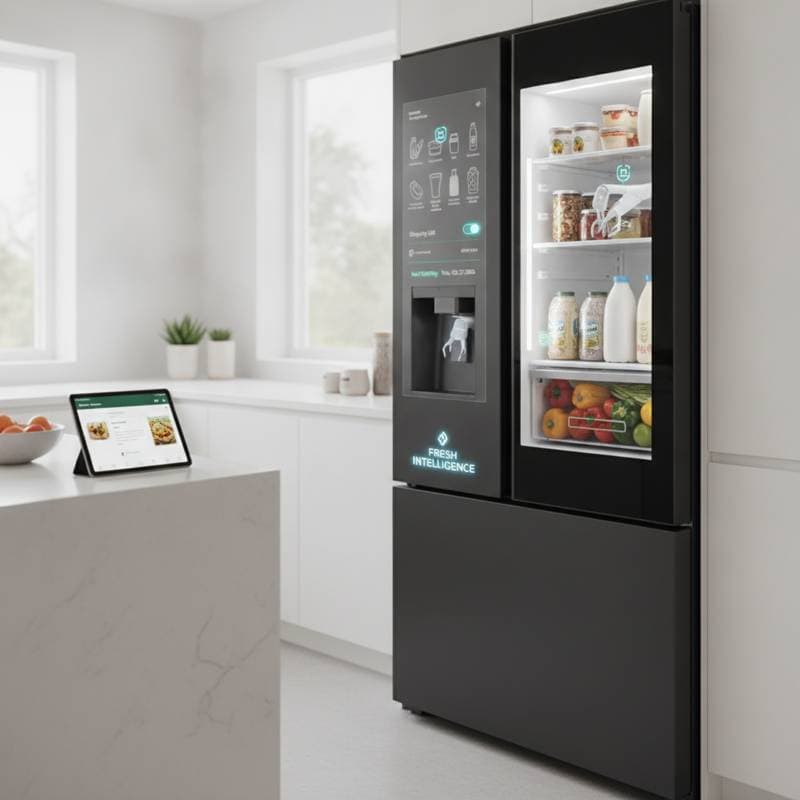
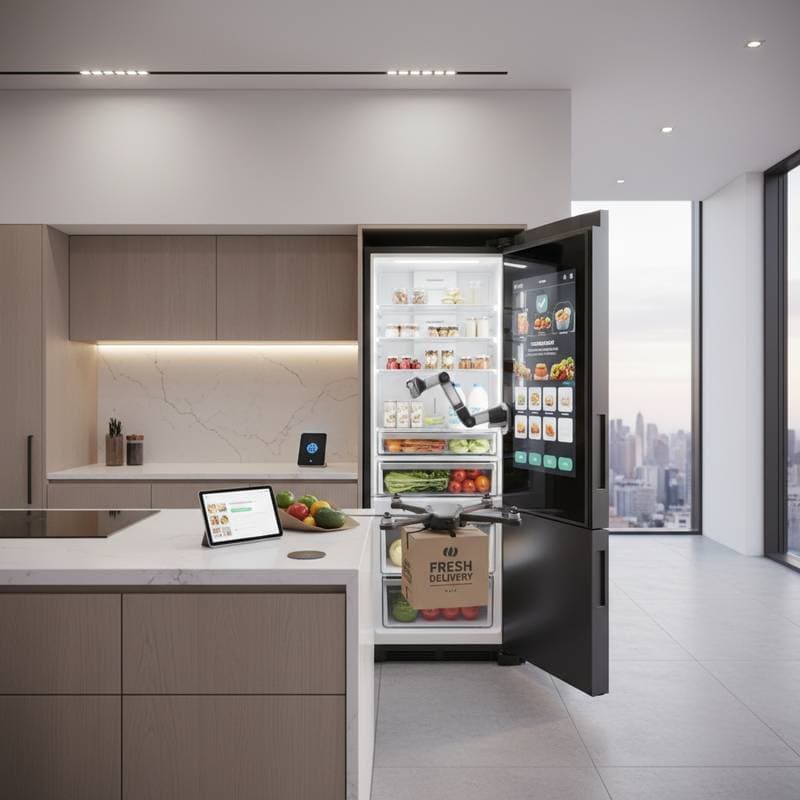
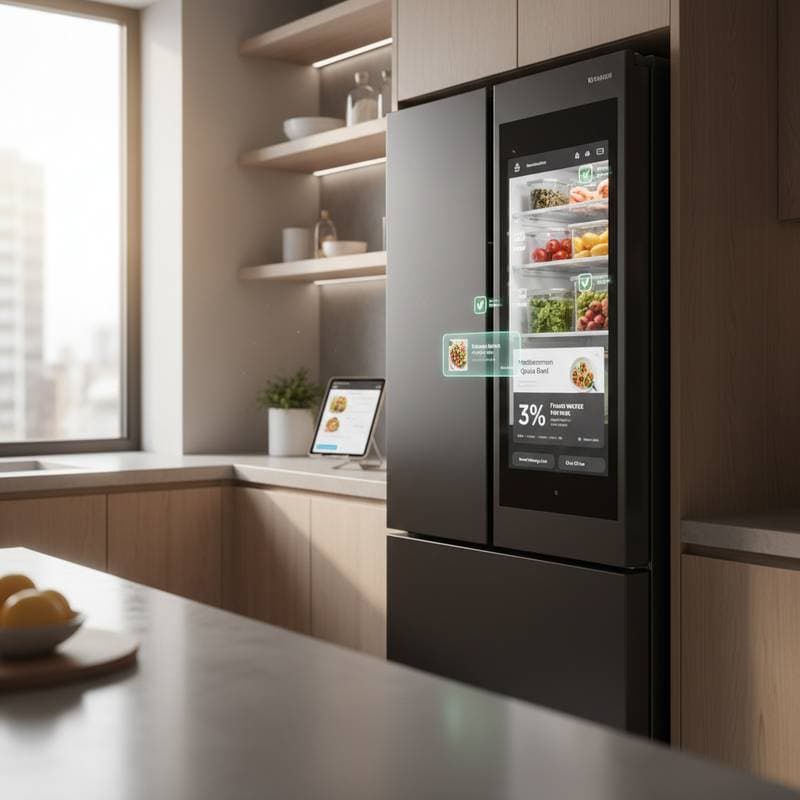
Smart refrigerators monitor contents, integrate with recipes, and reorder essentials through connected services. Models range from basic inventory apps to full command centers that reduce waste and simplify planning.
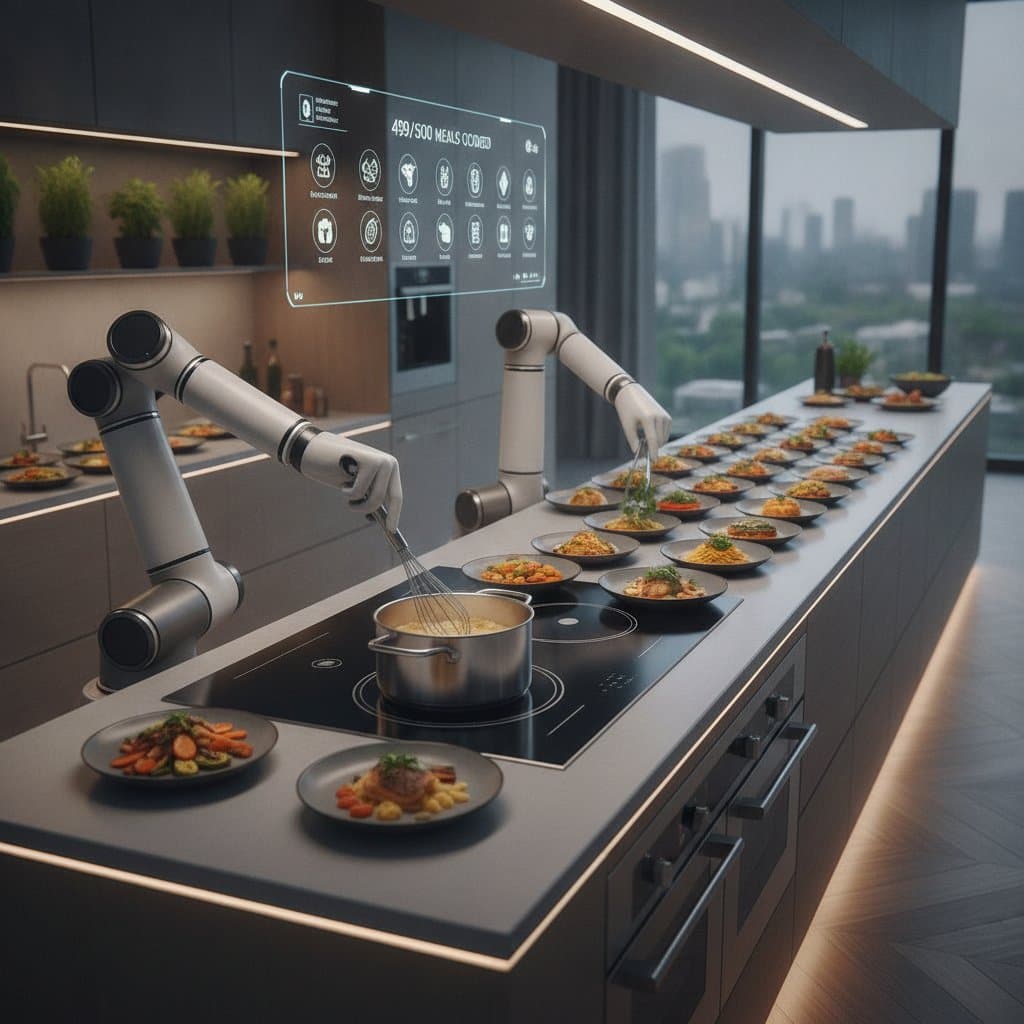
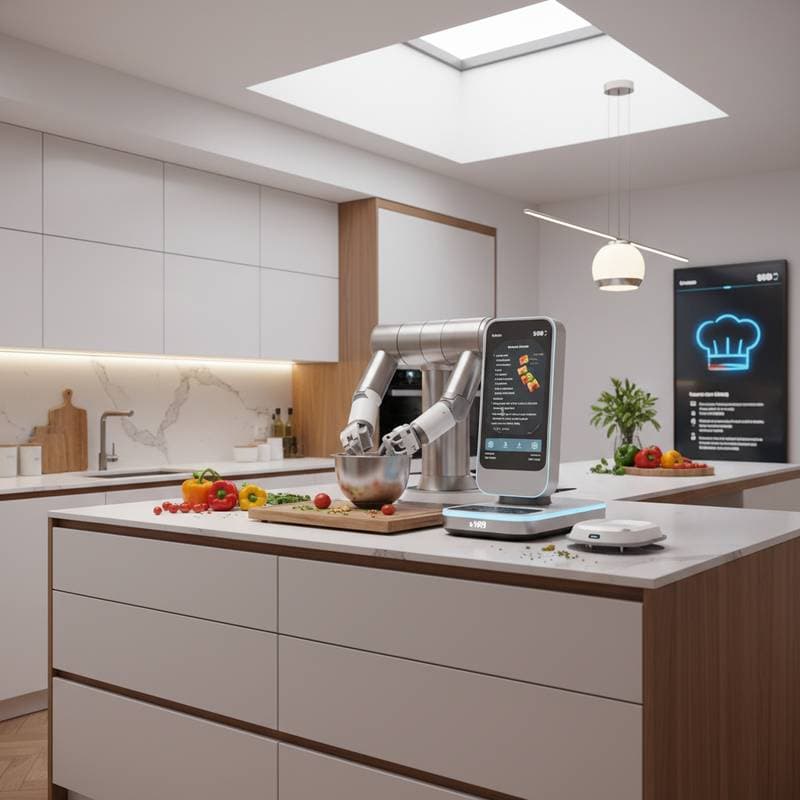
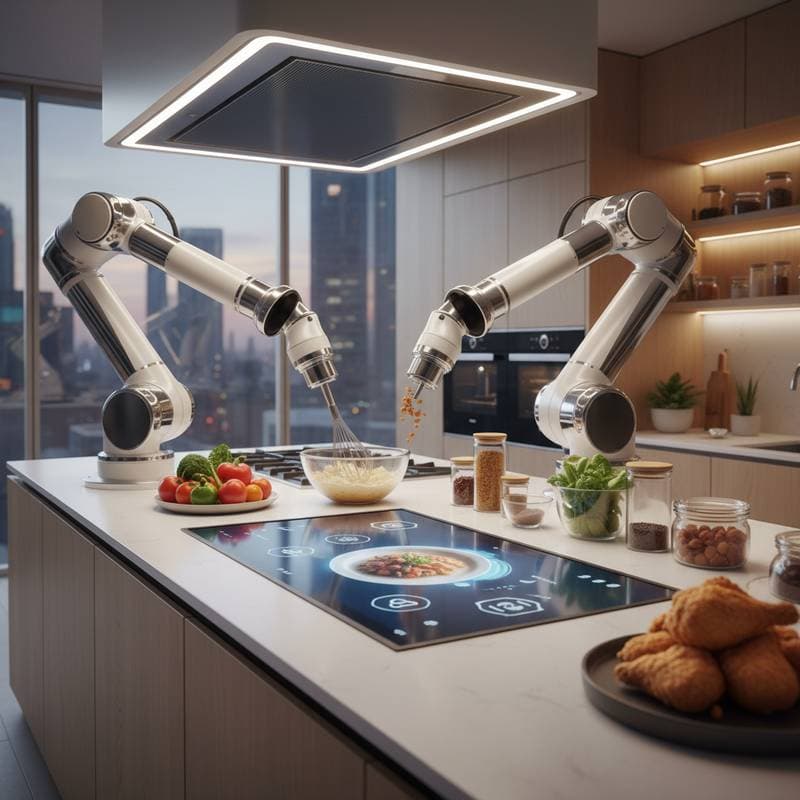
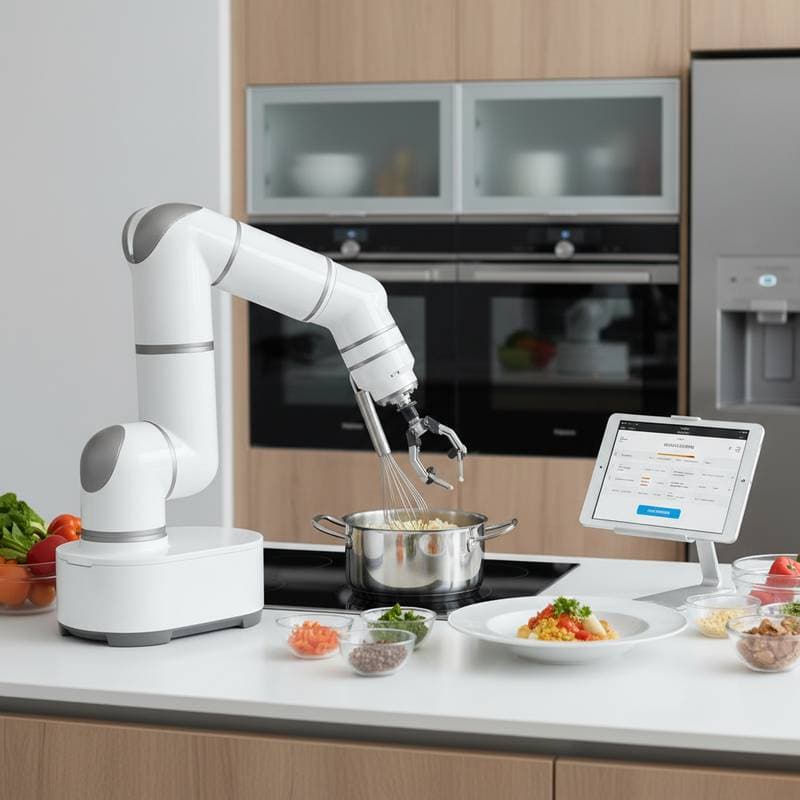
Robot chef arms use AI and sensors to prepare hundreds of recipes from scratch, handling chopping, stirring, and plating while connecting to smart home devices for streamlined meal routines.
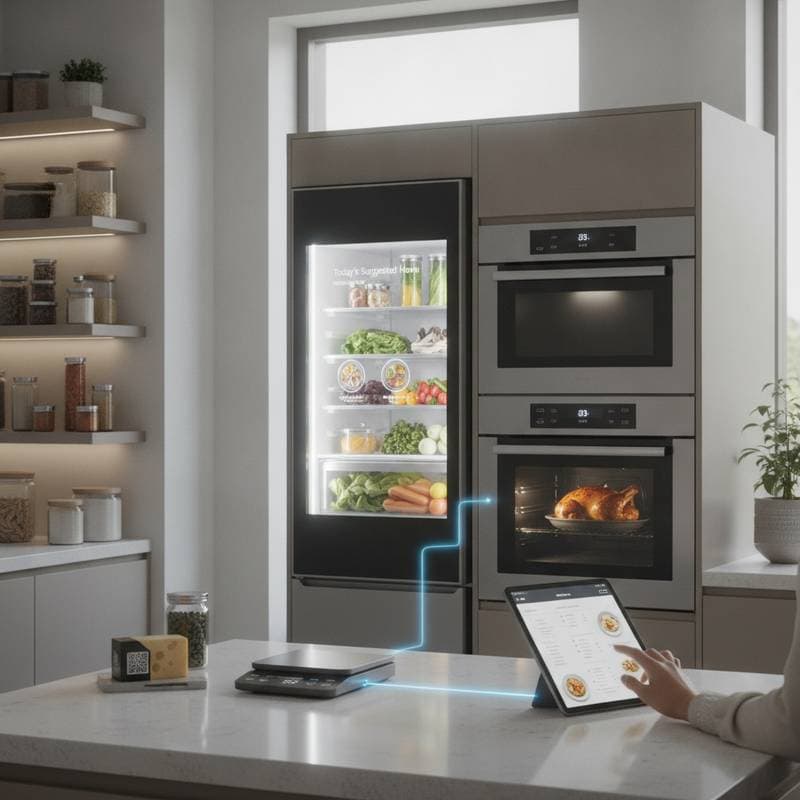
AI meal planning now joins refrigerators and ovens into one responsive system. It tracks ingredients, suggests recipes, and manages cooking settings to reduce effort and waste while supporting personal nutrition goals.
AI-powered kitchen appliances are transforming meal prep from chore to convenience. Smart ovens, cookers, and fridges now learn habits, suggest recipes, and automate cooking steps. From reducing waste to syncing with health goals, these connected devices promise faster, smarter, and more personalized dining, bringing futuristic efficiency to everyday kitchens.
Touchless smart faucets bring motion or voice activation to kitchen sinks. They improve hygiene, limit water waste, and integrate with voice assistants for precise daily tasks.
AI refrigerators monitor contents in real time, suggest recipes, and place grocery orders automatically. These appliances reduce waste, improve energy use, and simplify kitchen management for modern households.
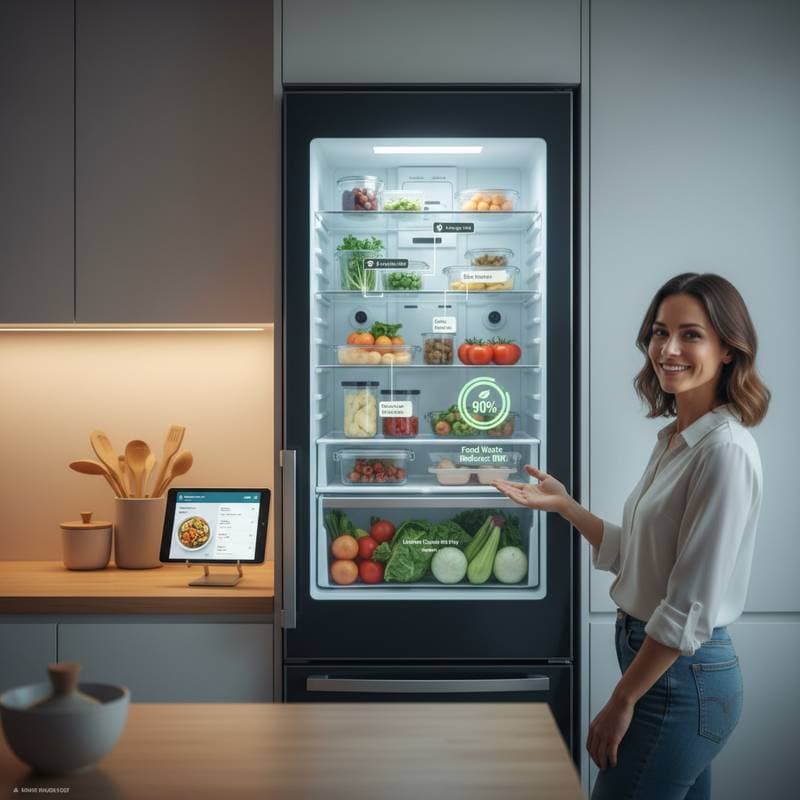
AI powered refrigerators track inventory, predict usage patterns, and extend freshness to cut household food waste substantially. These appliances help users save money and maintain organized kitchens through automated monitoring and practical suggestions.
Robotic kitchen assistants priced under 500 dollars now perform chopping, stirring, and guided cooking tasks. These compact devices bring automation to home kitchens while saving time and reducing effort.
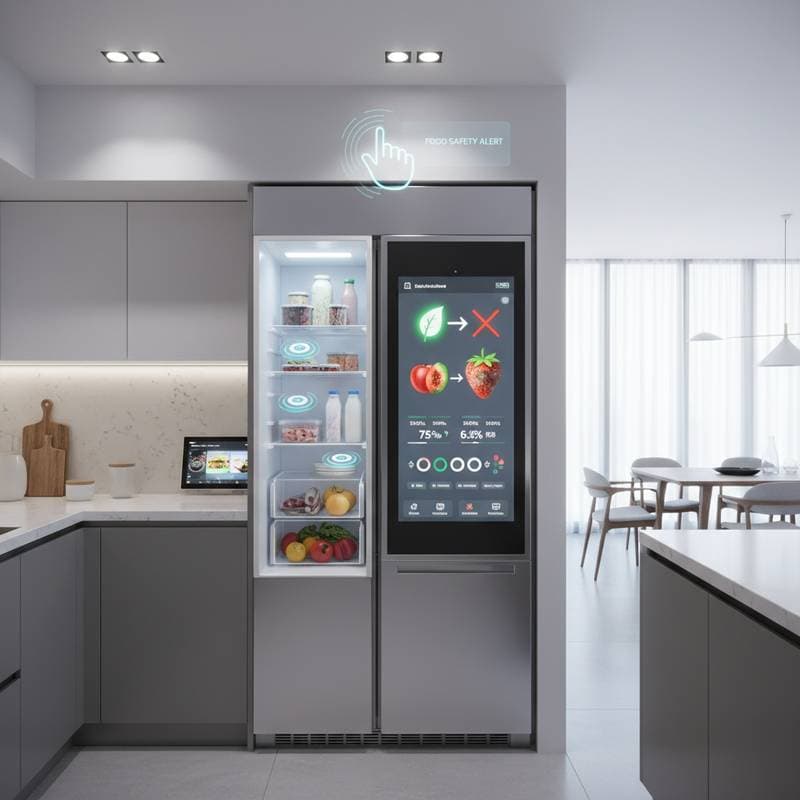
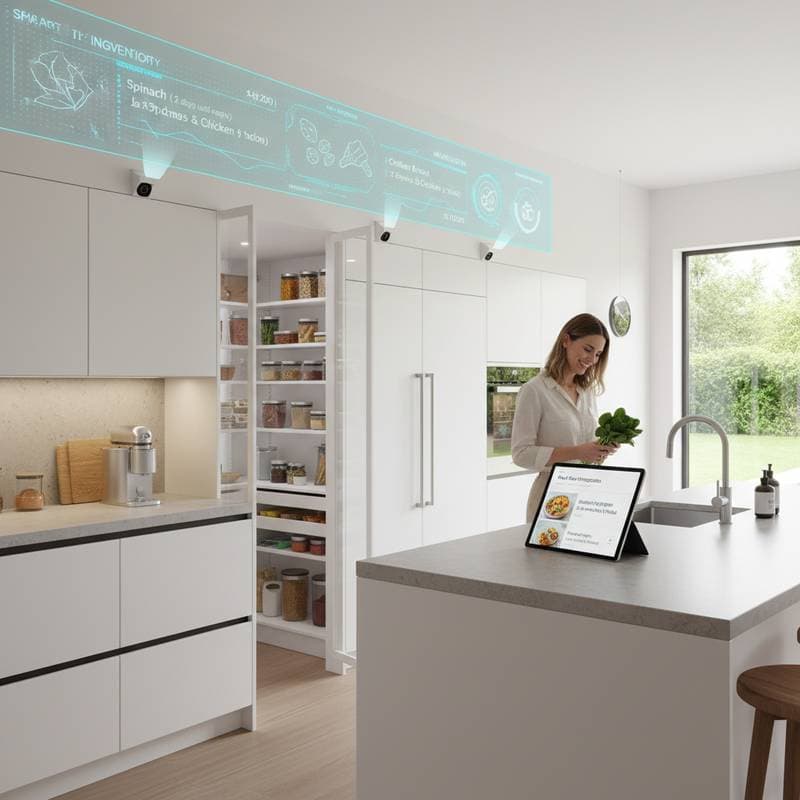
Smart kitchen AI monitors food freshness through sensors and predictive learning to reduce waste and prevent illness before it occurs.
Robotic kitchen arms now replicate viral recipes with precision. These systems combine sensors, cameras, and adaptive learning to deliver consistent results while reducing effort in home kitchens.
Smart fridges evolve kitchens into proactive spaces that inventory items, curb waste, and reorder supplies via AI and sensors. Enhanced privacy features and seamless connections make this technology a practical enhancement for efficient, eco-friendly homes.
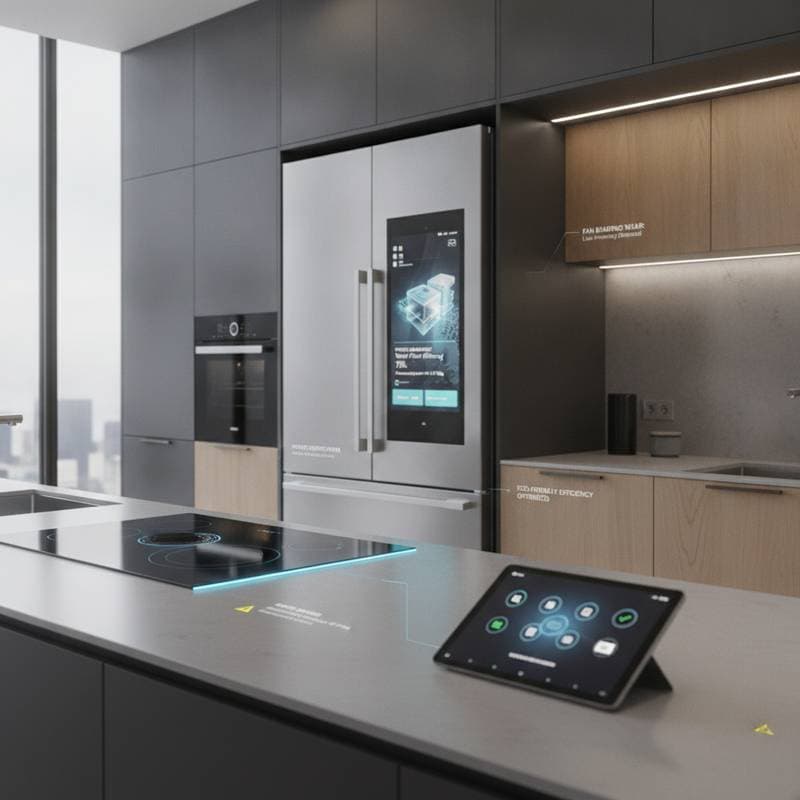
Smart appliances advance from mere connectivity to genuine self-sufficiency. Equipped with advanced sensors and artificial intelligence, they identify malfunctions, implement fixes, and avert breakdowns in advance. Ovens that adjust their own settings and dishwashers that clear blockages exemplify these advancements, delivering reduced maintenance needs, savings on expenses, and kitchens that manage themselves with minimal intervention.
AI kitchens transform routine cooking by monitoring ingredients, forecasting spoilage, and providing alerts to curb waste. Equipped with sensors and AI, they enhance organization, cut expenses, and support sustainable living through intelligent, user-friendly features.
Robotic kitchen arms under $3000 bring professional automation to everyday homes, offering precision in stirring, flipping, and plating while integrating with apps and appliances to save time and effort.
AI-powered smart fridges revolutionize kitchen management by monitoring ingredients, generating recipe ideas, and minimizing food waste. These appliances employ sensors and image recognition to track freshness, lower expenses, and integrate with pantry applications, fostering a cohesive system that enhances household cooking and planning efficiency.