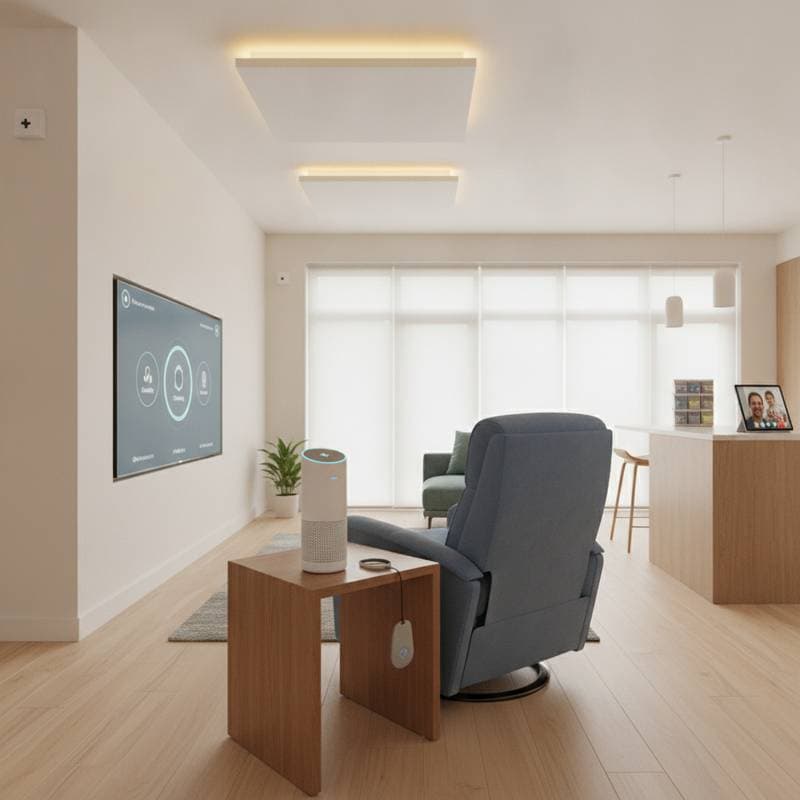
Smart Homes Make Aging in Place Safer and Simpler
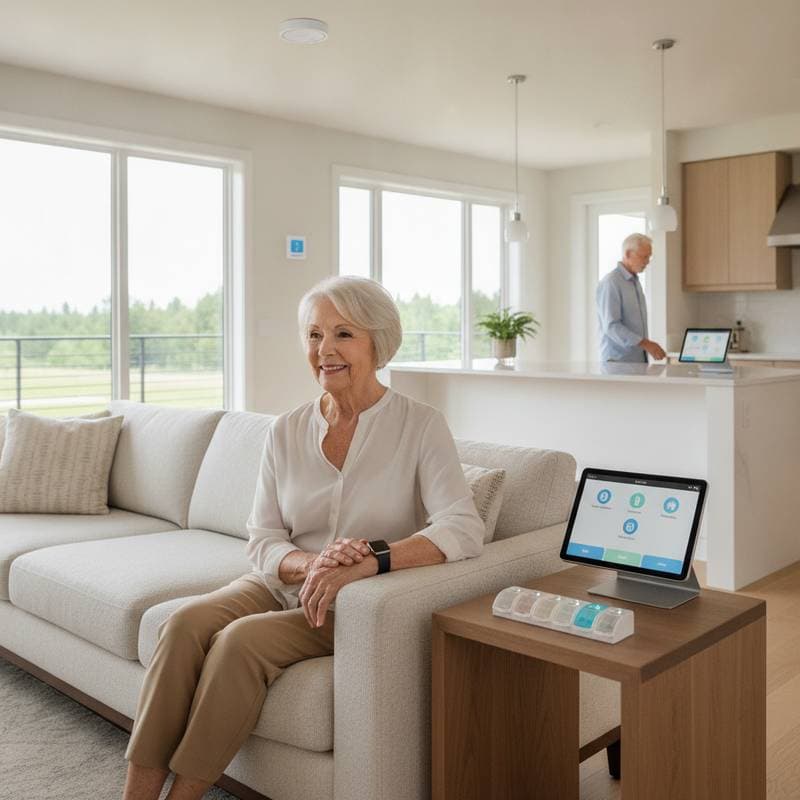
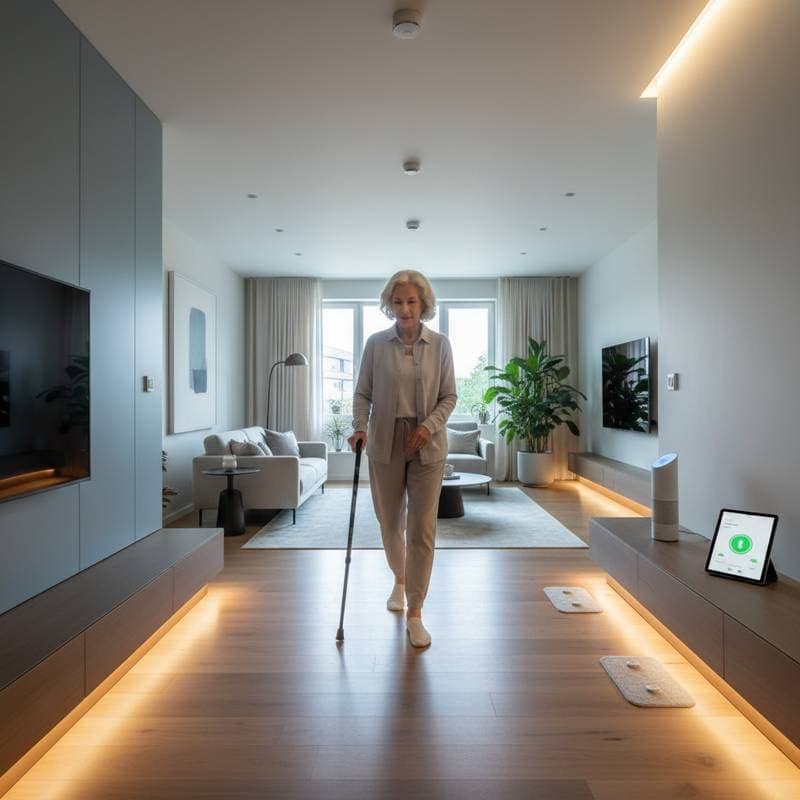
Smart homes for elderly care combine safety sensors, adaptive lighting, and health tracking to support independent living while maintaining privacy and family connection.
Jared Sanders•Jul 16
Loading...
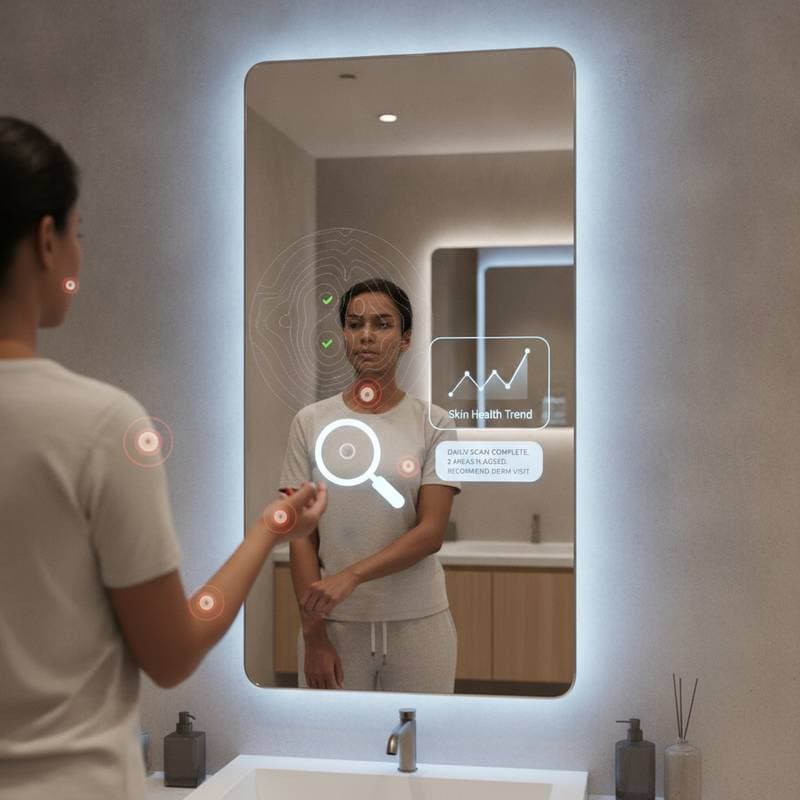
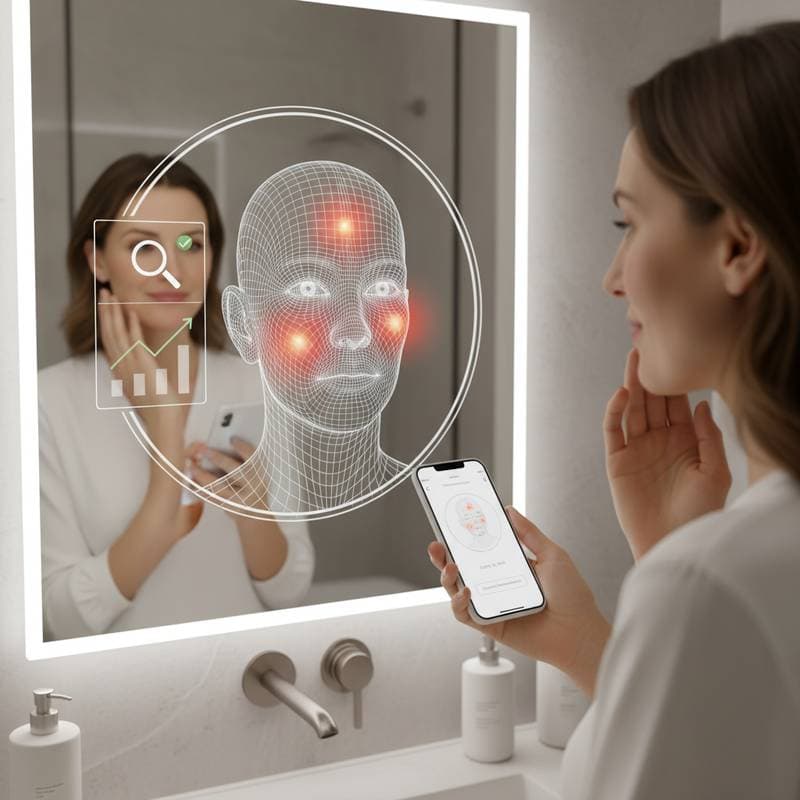
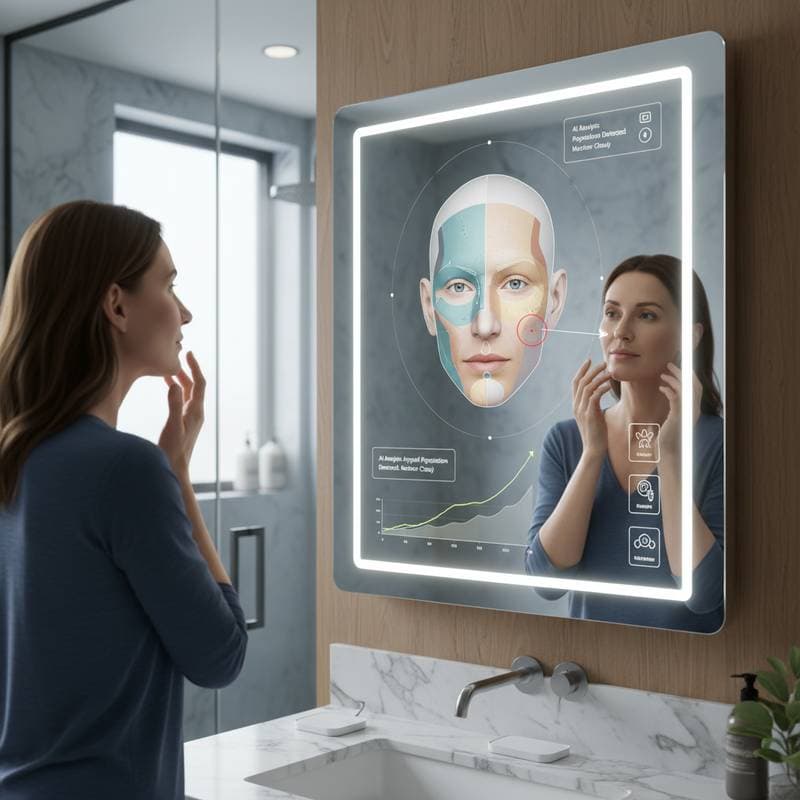
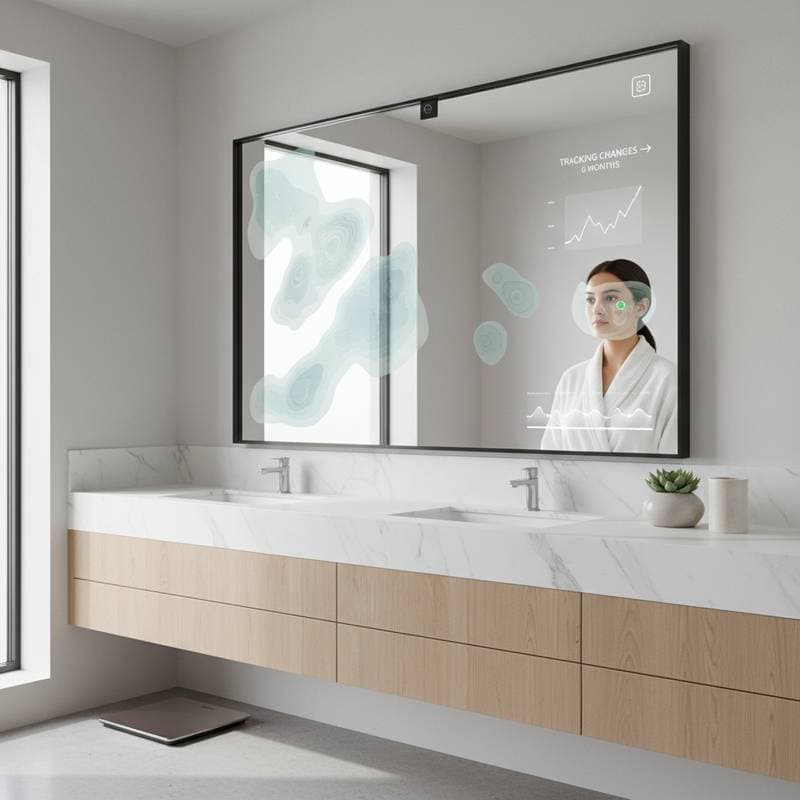
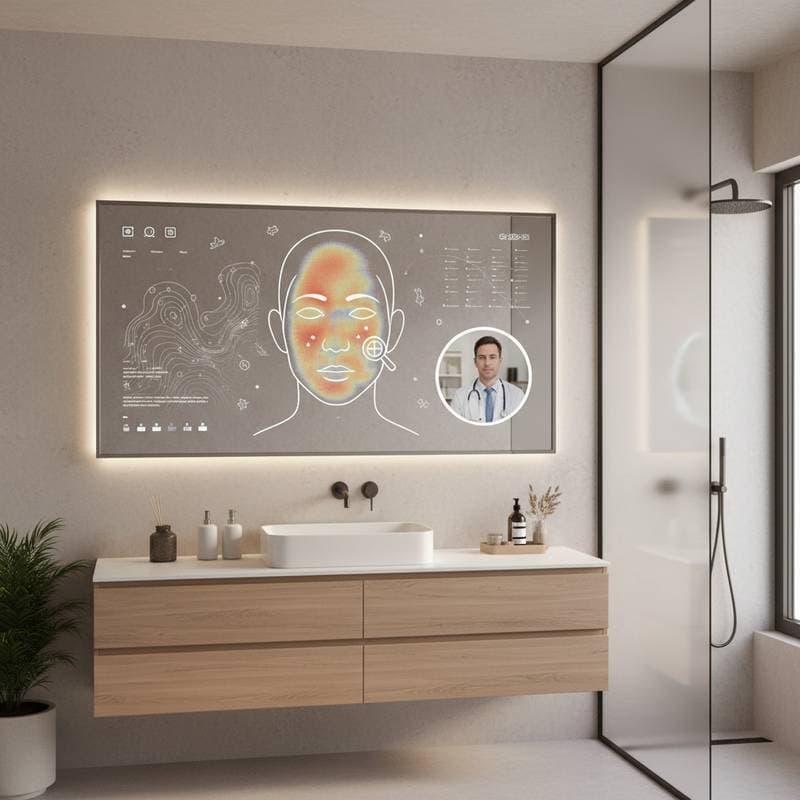
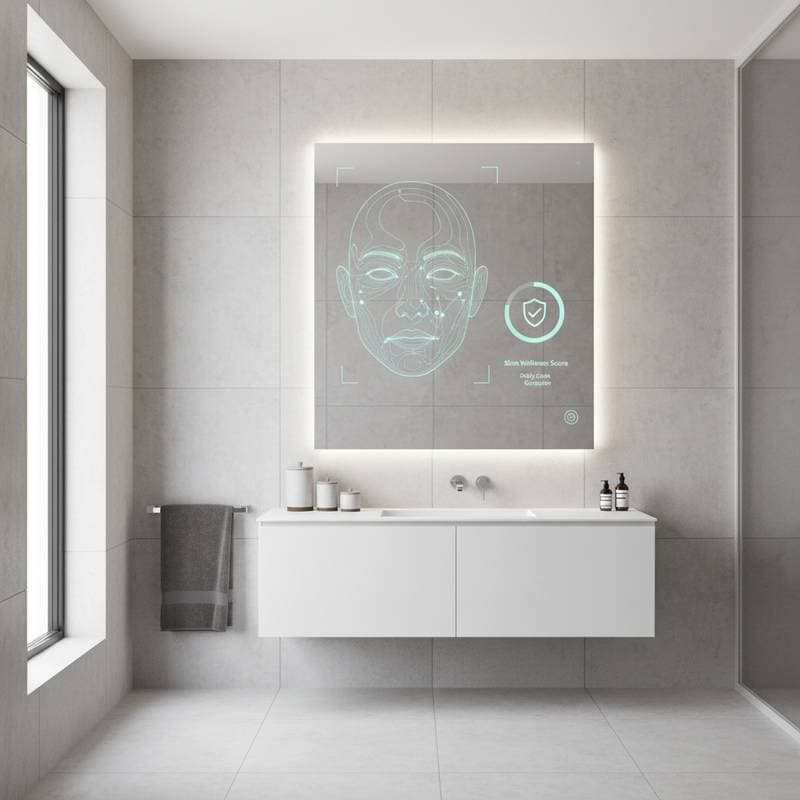
Smart mirrors use cameras, specialized lighting, and AI to track skin changes, flag suspicious moles, and encourage earlier dermatology visits. They cannot diagnose cancer and may produce false alarms, so professional review remains essential. Their promise is convenient, consistent monitoring, but privacy, accuracy across skin tones, data security, and clinical oversight matter.
Explore our collection of detection related content
Smart homes for elderly care combine safety sensors, adaptive lighting, and health tracking to support independent living while maintaining privacy and family connection.
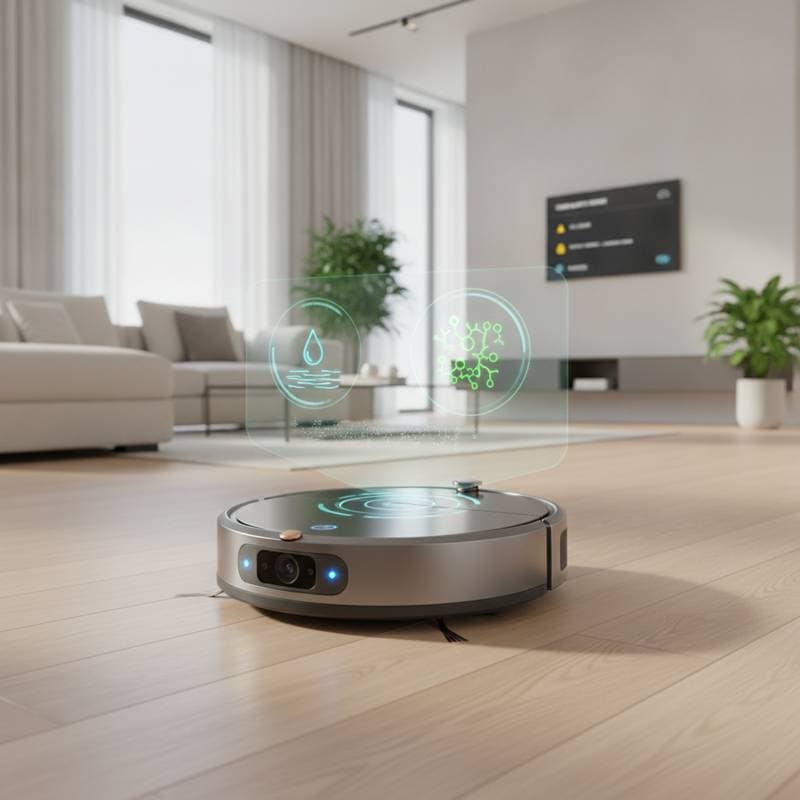
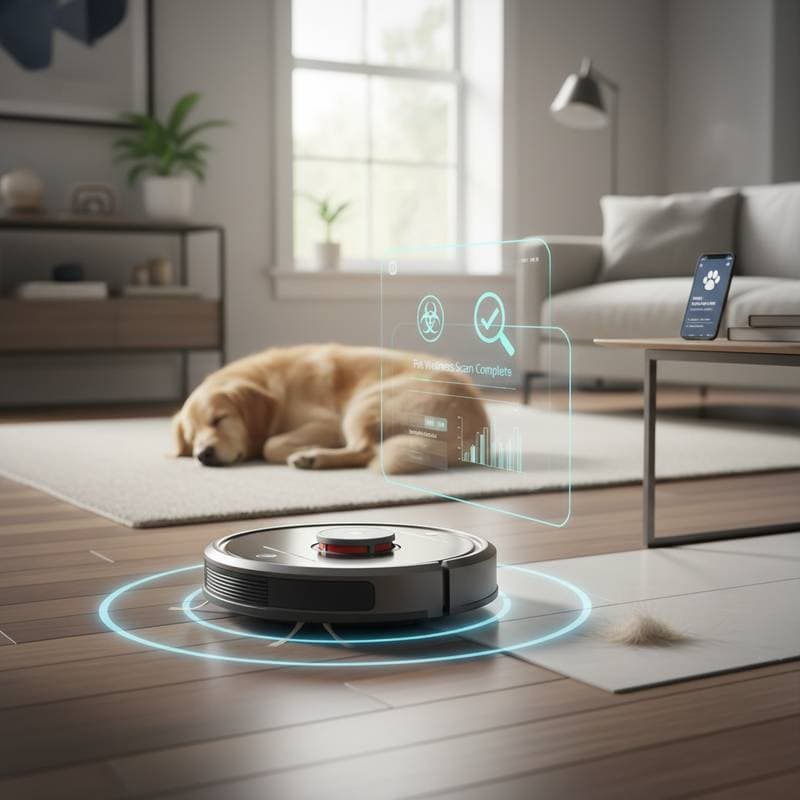
Robot vacuums now serve as early warning systems. Equipped with cameras and environmental sensors, they identify moisture, heat, and air quality issues during routine cleaning.
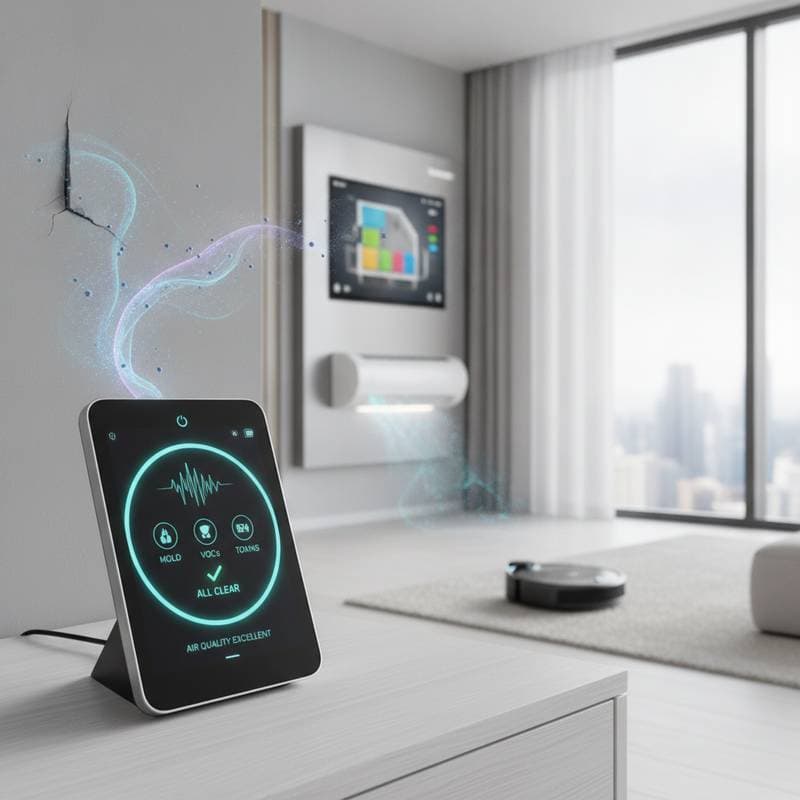
Smart air quality systems use advanced sensors to identify hidden mold, VOCs, and pollutants that affect indoor health. These connected devices monitor conditions in real time and integrate with smart home systems to prevent issues before they develop.
Smart home technology is transforming senior care, reducing elderly hospital visits by 50%. Through sensors, wearables, and voice assistants, these systems detect health changes early, prevent falls, and support independence. Blending safety with privacy, smart homes create proactive, data-driven care networks that keep seniors healthier, happier, and confidently aging in place.
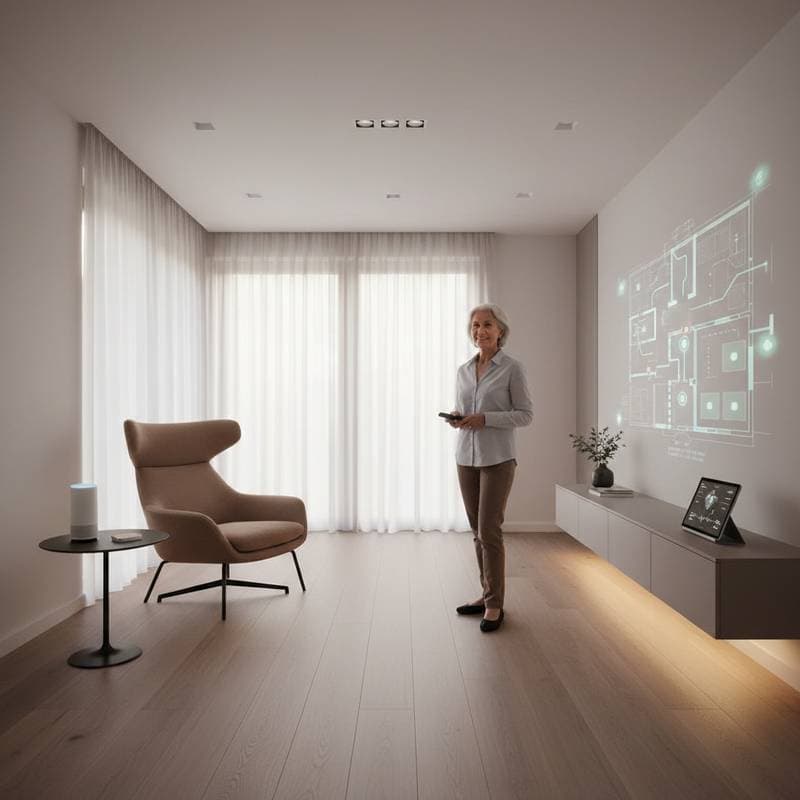
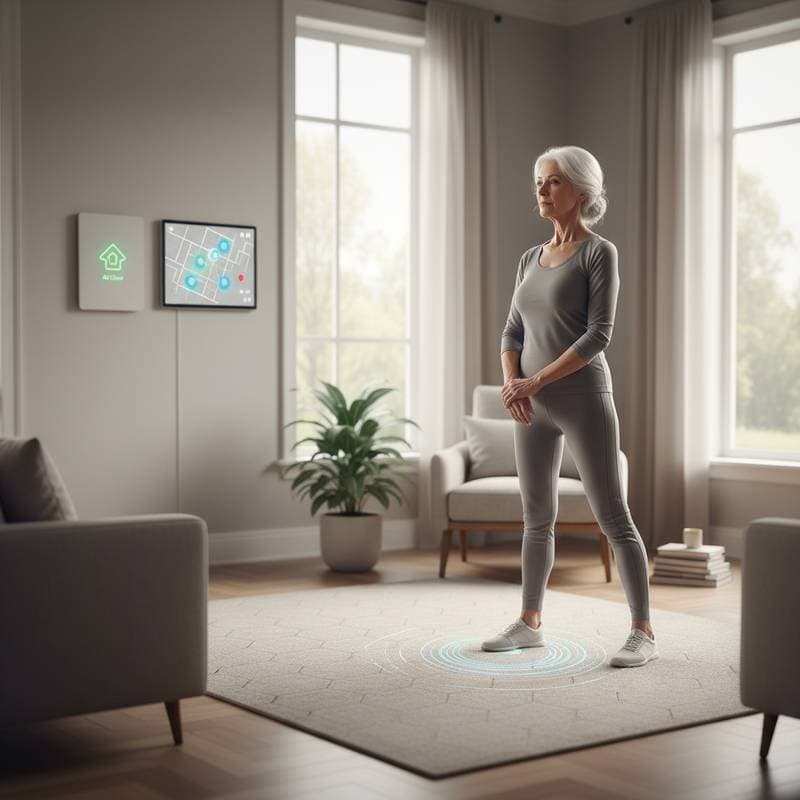
Smart home technology revolutionizes aging in place by cutting senior fall risks up to 90 percent. Intelligent monitoring, adaptive lighting, predictive health tracking, and voice control create safer living spaces that support independence and peace of mind.
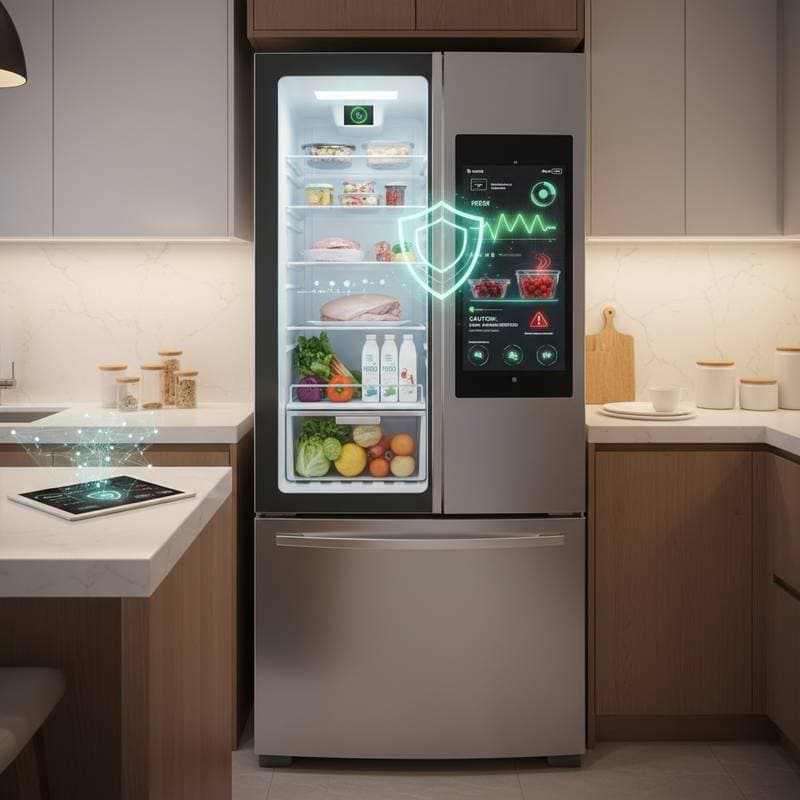
Smart refrigerators advance as proactive health protectors, deploying sensors, imaging, and AI to uncover spoilage signals before they lead to illness. By monitoring gases, visuals, and storage conditions, these devices curb contamination risks, minimize waste, and bolster home food safety through intelligent oversight.
Smart mirrors are revolutionizing home skincare with AI and advanced imaging to spot early skin cancer signs. From affordable options to premium telehealth-integrated models, these devices enable private, consistent monitoring of moles and skin changes for better health outcomes.
Persistent indoor sneezing despite thorough cleaning? Uncover the advantages of intelligent whole-home air purification that targets hidden allergens, syncs with your HVAC system, and provides real-time air quality insights. From cost-effective filter options to sophisticated UV-C and HEPA technologies, achieve healthier air distribution across your entire home with minimal effort.
AI-driven smart mirrors use high-resolution cameras to monitor skin daily, spotting subtle changes for early cancer detection. Affordable options to premium devices offer privacy-focused tracking, making health checks part of your routine.
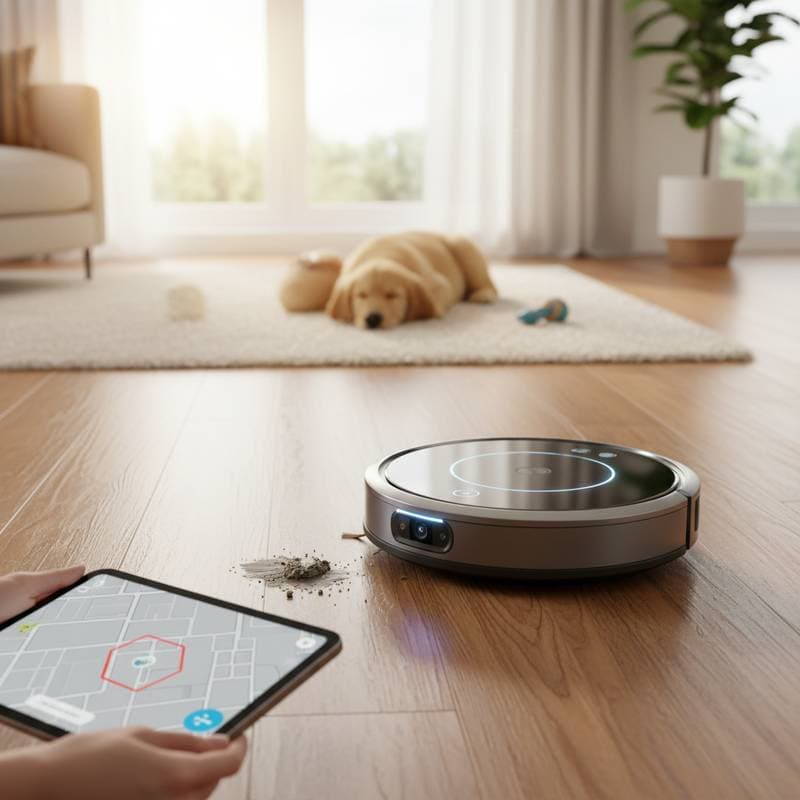
Robot vacuums have advanced into intelligent pet health monitors. Leveraging AI, sensors, and odor analysis, they detect waste, shedding, and anomalies to notify owners promptly. Available in various price points, these tools merge cleaning efficiency with pet care insights.
Smart floors revolutionize elder care through integrated pressure sensors under daily surfaces, enabling instant fall detection. These systems monitor movements, automate caregiver alerts, and sync with smart homes, from cost-effective mats to sophisticated subfloor setups for secure, autonomous living in 2026.
AI smart mirrors revolutionize routines by analyzing skin for cancer risks during daily use. These devices track changes, ensure privacy, and integrate with wellness ecosystems, enabling proactive health management from budget to luxury options.
AI-enhanced smart mirrors revolutionize home health by detecting skin cancer precursors through real-time imaging and analysis. These devices track changes, link to telemedicine, and embed preventive care into routines, promoting privacy and personalized insights.
Smart mirrors evolve from basic reflectors to AI-powered health guardians. They capture skin images daily to spot cancer precursors, delivering convenient, at-home screening. This fusion of technology and habit advances preventive care in connected homes.
Smart home technology revolutionizes aging in place by cutting elderly falls by up to 75 percent. Predictive sensors, adaptive lighting, voice-controlled assistants, and connected health hubs transform homes into proactive safety networks that protect independence, preserve privacy, and provide families with greater peace of mind.
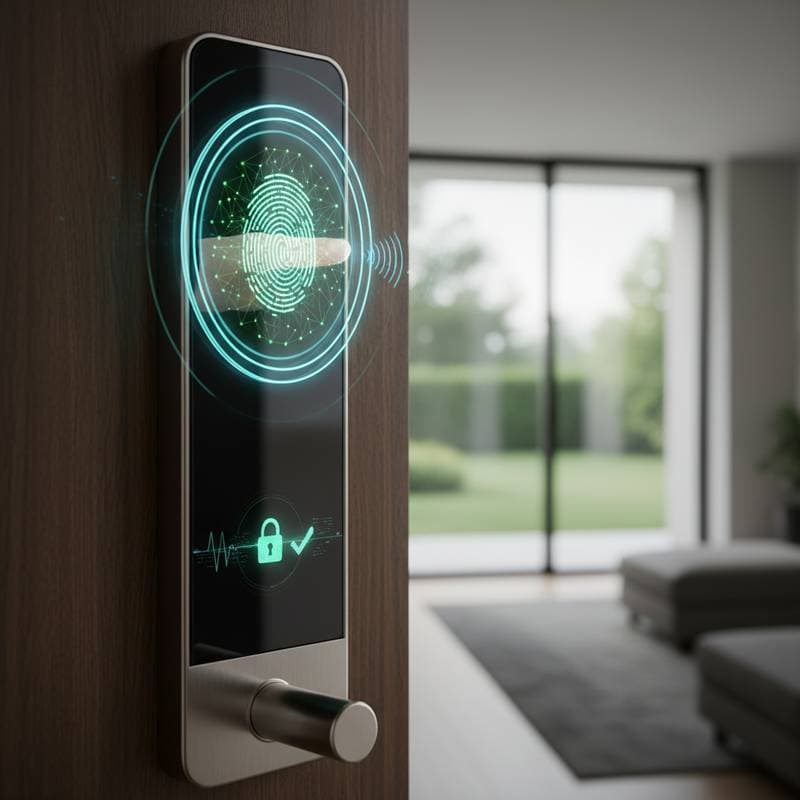
Smart locks in 2025 counter fingerprint cloning through liveness detection, adaptive AI algorithms, and hybrid authentication methods. These technologies confirm the presence of a living finger, analyze user-specific patterns, and integrate biometrics with additional safeguards, providing homeowners with robust, evolving protection that maintains security without added effort.
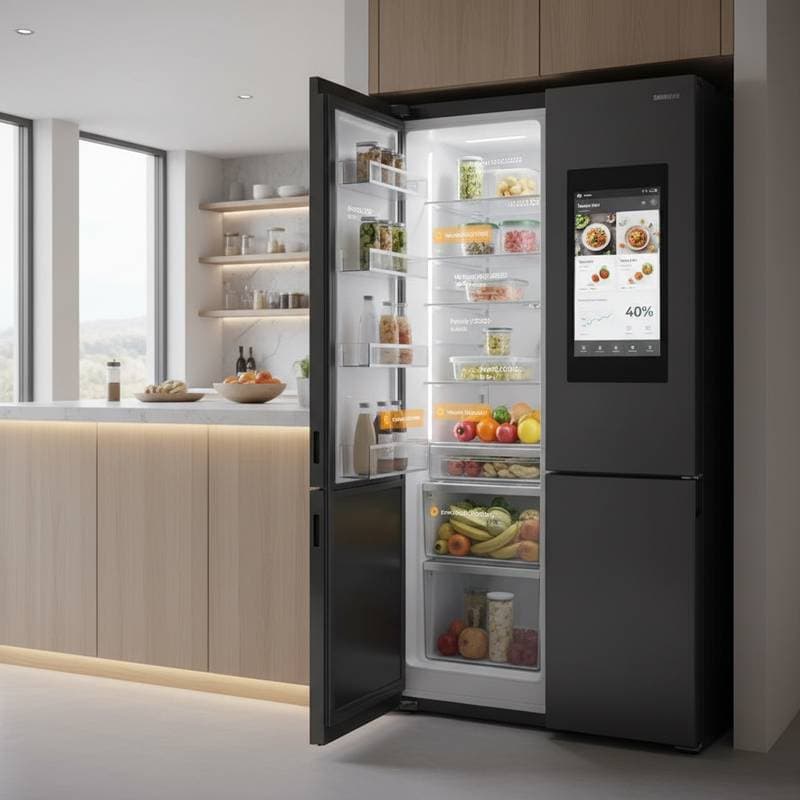
AI smart fridges revolutionize home kitchens by monitoring food freshness, expiration dates, and shopping patterns. Equipped with cameras, sensors, and cloud databases, they cut waste, lower costs, and provide recipe recommendations. Options from affordable to high-end deliver convenience, sustainability, and efficient meal planning for contemporary households.
Frustrated by robot vacuums worsening pet accidents? Discover AI models with cameras, sensors, and machine learning that detect messes in real time, halt operations, and maintain cleanliness. Options from budget to premium deliver reliable performance for pet owners seeking hassle-free automation.
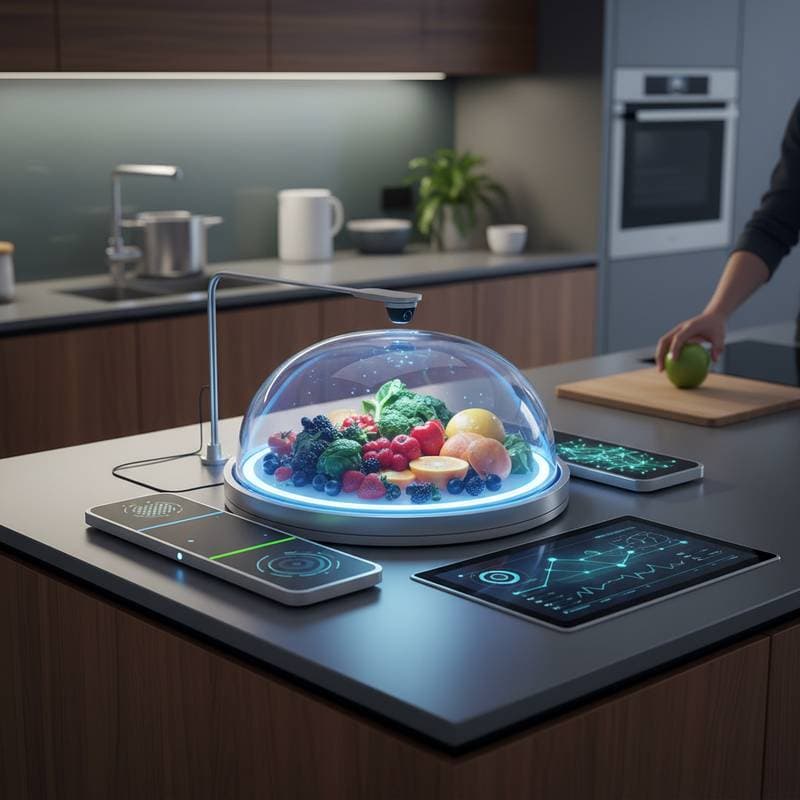
AI kitchen sensors revolutionize safety by spotting spoilage through gas, heat, and image data before dangers arise. These tools curb illness, minimize waste, and instill eating confidence. Affordable integrations herald efficient, health-focused living.