Smart Fridges Now Predict What You'll Need Before You Run Out
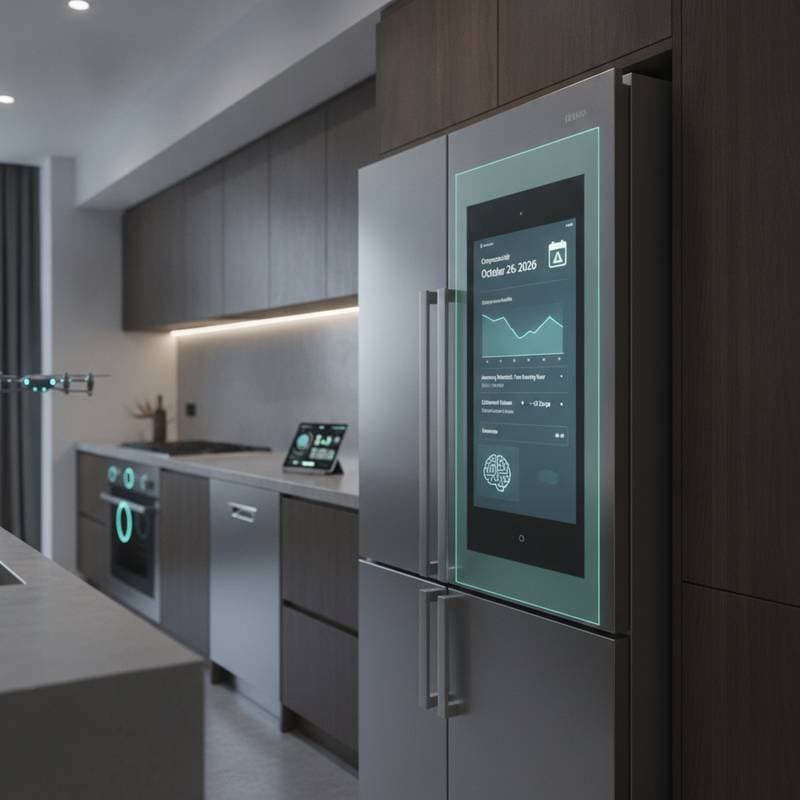
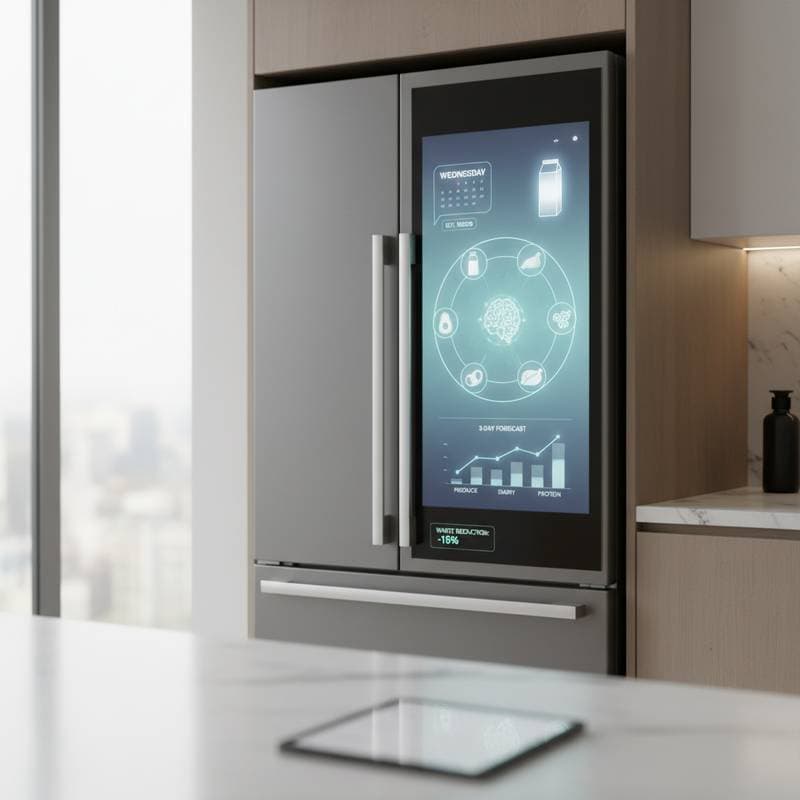
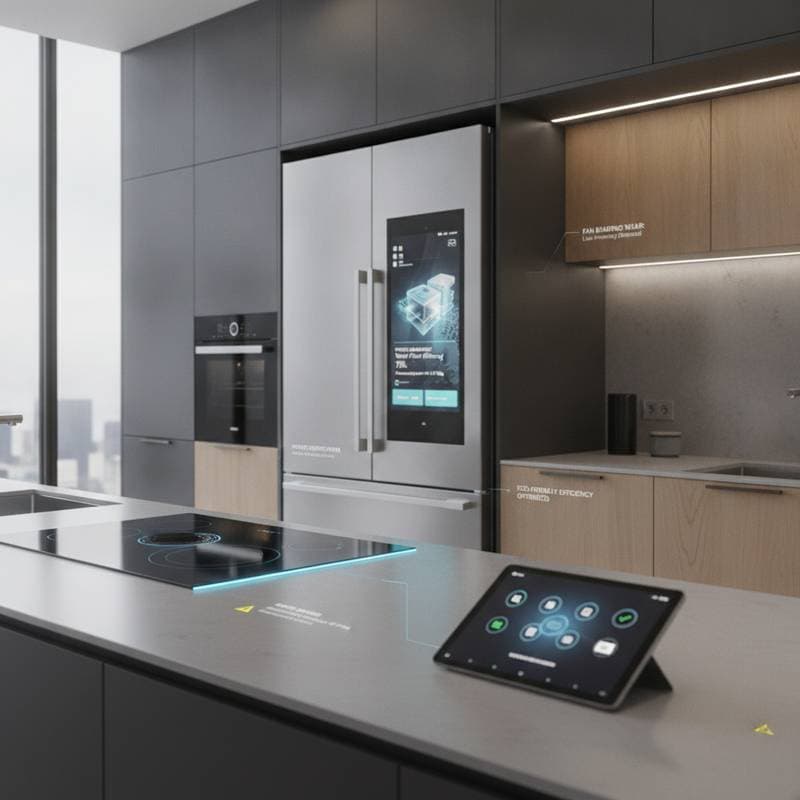
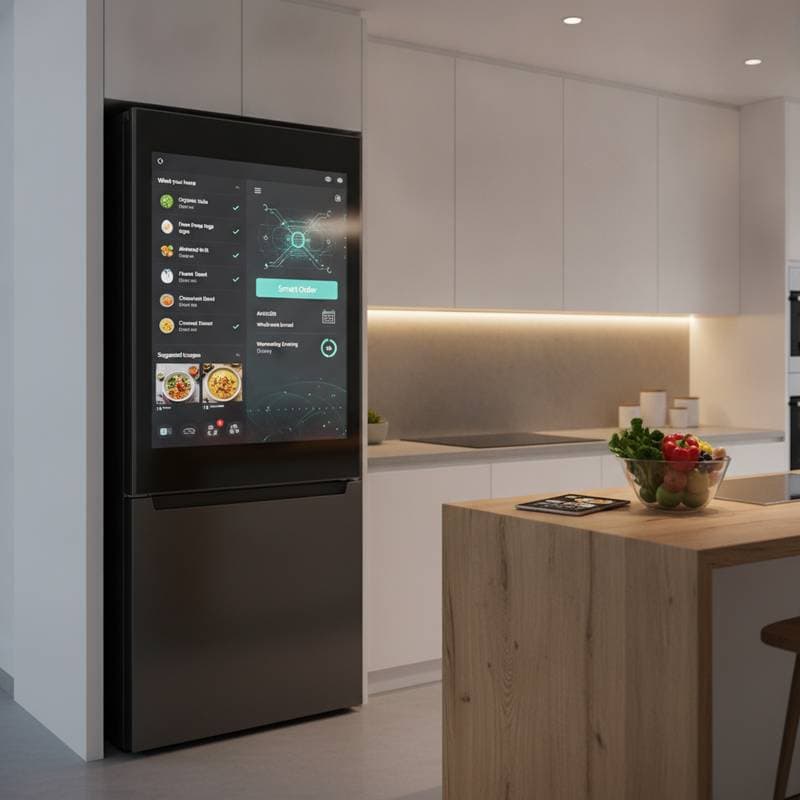
AI powered refrigerators now track contents, forecast usage, and recommend meals using cameras and machine learning to limit waste and support smoother household routines.
Loading...

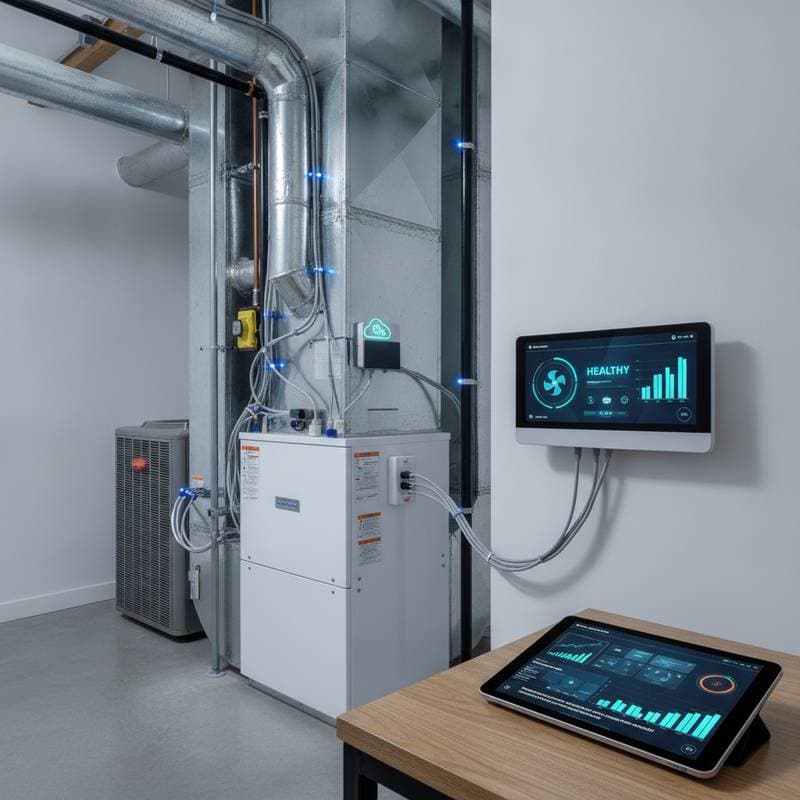
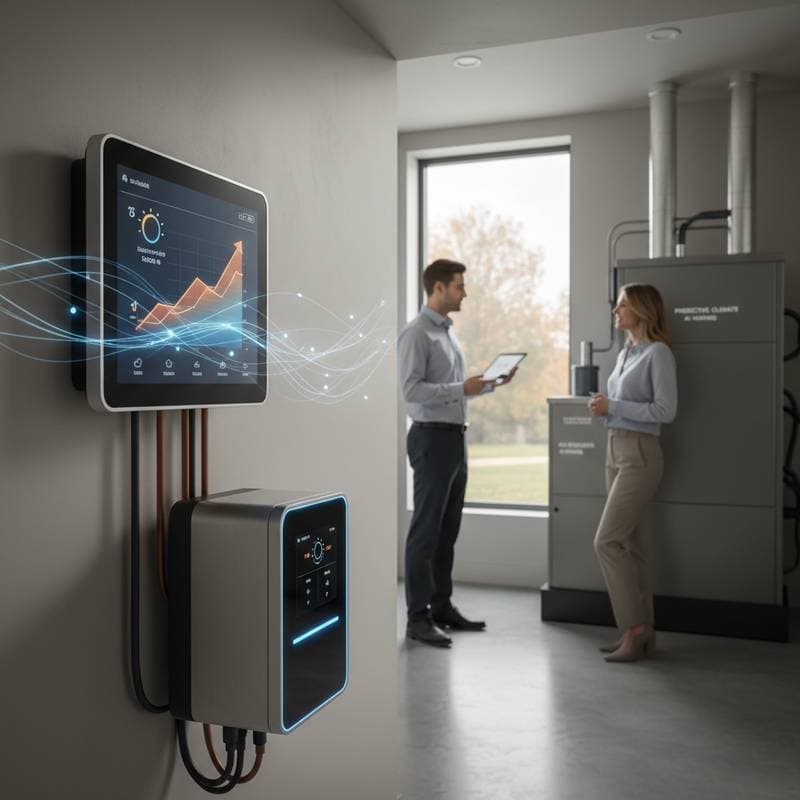
AI-driven predictive HVAC monitoring uses smart sensors and real-time analytics to detect issues before breakdowns occur. The system learns normal operating patterns, prevents costly repairs, improves efficiency, and extends equipment life while integrating with smart home platforms.
Explore our collection of predictive related content
AI powered refrigerators now track contents, forecast usage, and recommend meals using cameras and machine learning to limit waste and support smoother household routines.
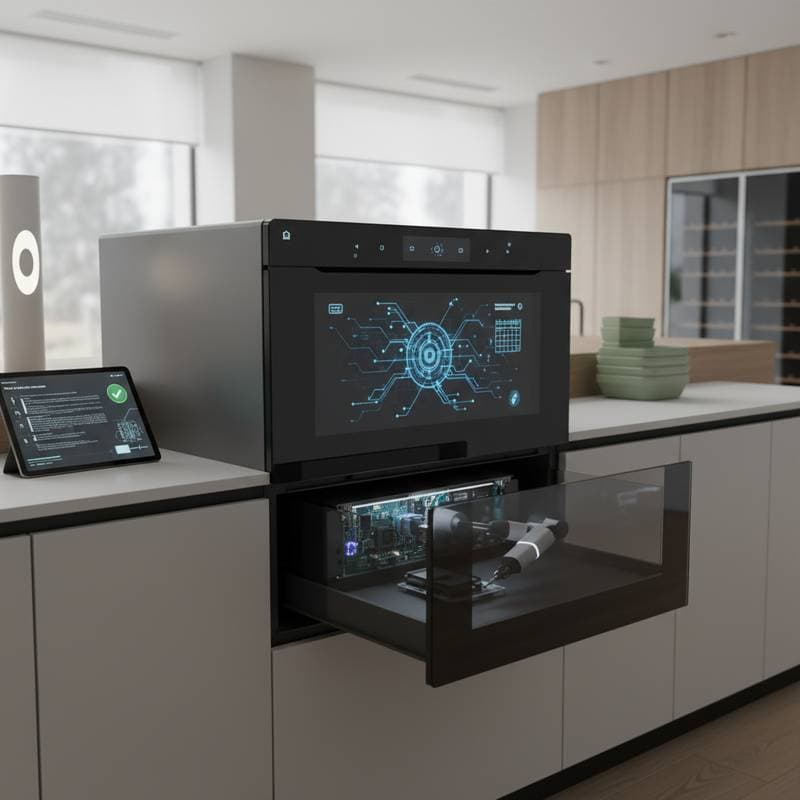
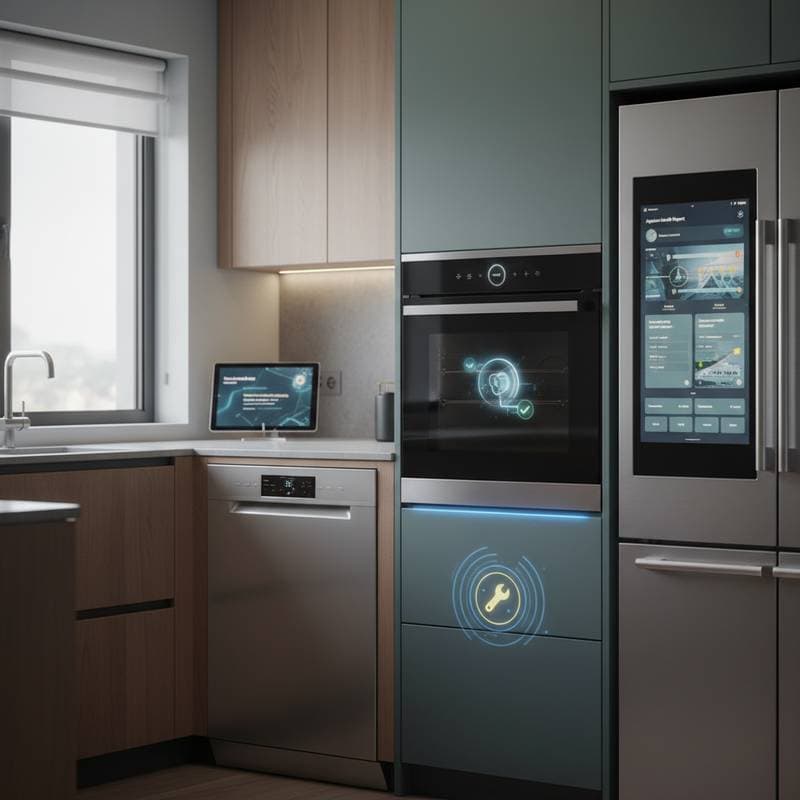
AI-powered kitchen appliances revolutionize upkeep by self-diagnosing and repairing issues preemptively. From refrigerators and ovens to dishwashers, integrated intelligence boosts longevity, cuts expenses, and promotes eco-friendly practices. Learn about predictive maintenance, modular designs, and interconnected systems reshaping kitchen reliability and ease.
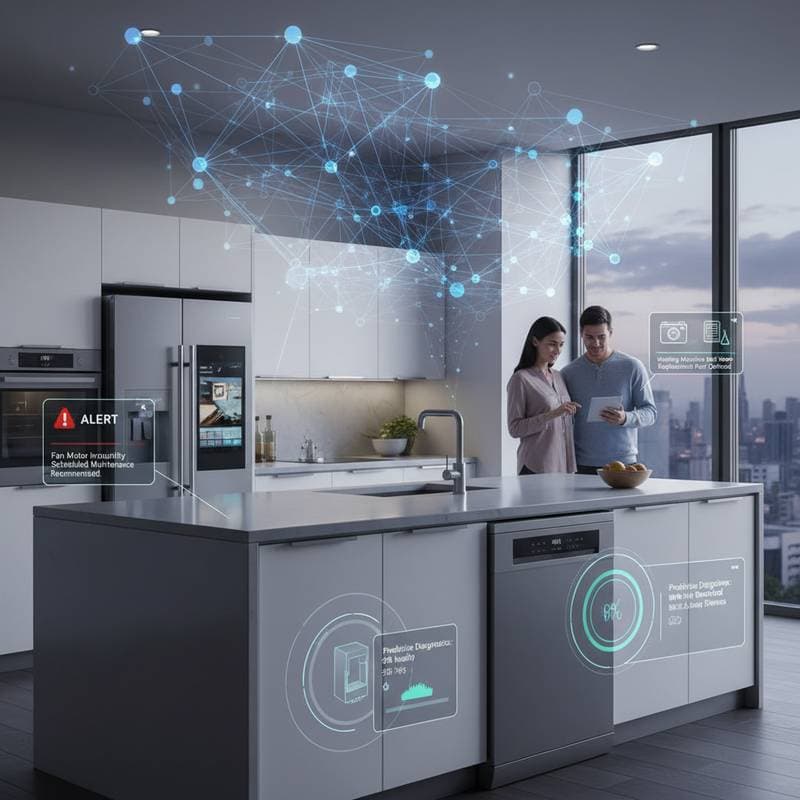
AI-driven predictive maintenance revolutionizes smart homes by shifting from reactive fixes to proactive alerts. Analyzing sensor data, these systems forecast appliance failures months early, which cuts repair expenses, conserves energy, and minimizes disruptions. As brands enhance integration and standards evolve, homeowners enjoy greater reliability, eco-friendly operations, and effortless upkeep.
Self-diagnosing smart appliances transform home maintenance by identifying problems before they cause failures. Equipped with sensors, AI-driven predictions, and app alerts, they extend device life, improve efficiency, and deliver convenience across budget-friendly to luxury options in the connected home.
Predictive HVAC systems leverage machine learning and precise weather forecasts to warm homes proactively, avoiding reactive energy spikes. This intelligent approach minimizes waste, trims utility bills, and ensures year-round comfort through seamless integration with smart home ecosystems.
AI-driven predictive maintenance turns ordinary appliances into intelligent guardians. Sensors analyze performance data to spot wear early, notify users, and avert breakdowns. From budget-friendly add-ons to high-end smart devices, this innovation brings efficiency, cost savings, and reliability to connected households.
By 2025, smart appliances predict component failures, order necessary parts, and arrange repairs without human intervention. Leveraging sensors, cloud-based analytics, and integrated APIs, these devices reduce downtime, lower costs, and improve overall home efficiency. Self-diagnosing refrigerators and AI-powered ovens exemplify how predictive maintenance transforms convenience and reliability in modern living spaces.
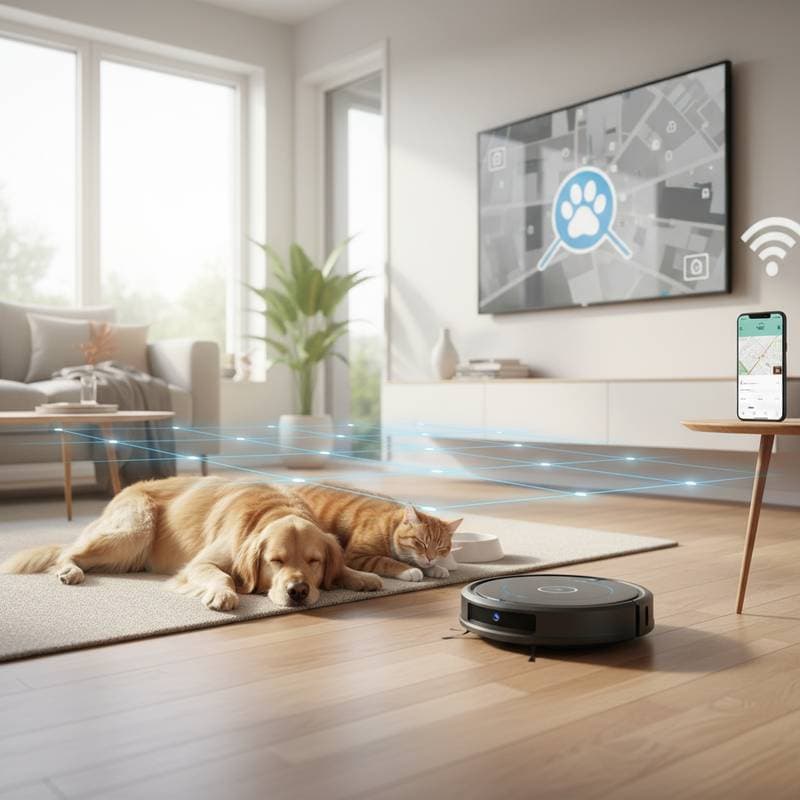
Frustrated by robot vacuums spreading pet accidents? Advanced AI models now analyze pet behaviors to foresee messes, automate cleaning schedules, and integrate with smart home devices for effortless maintenance across budget to luxury ranges.
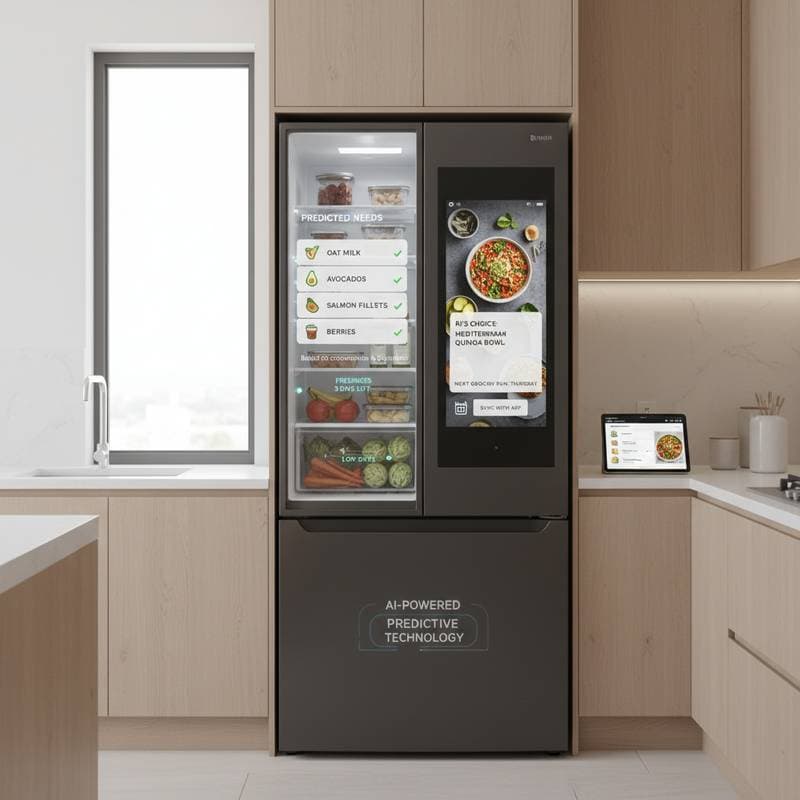
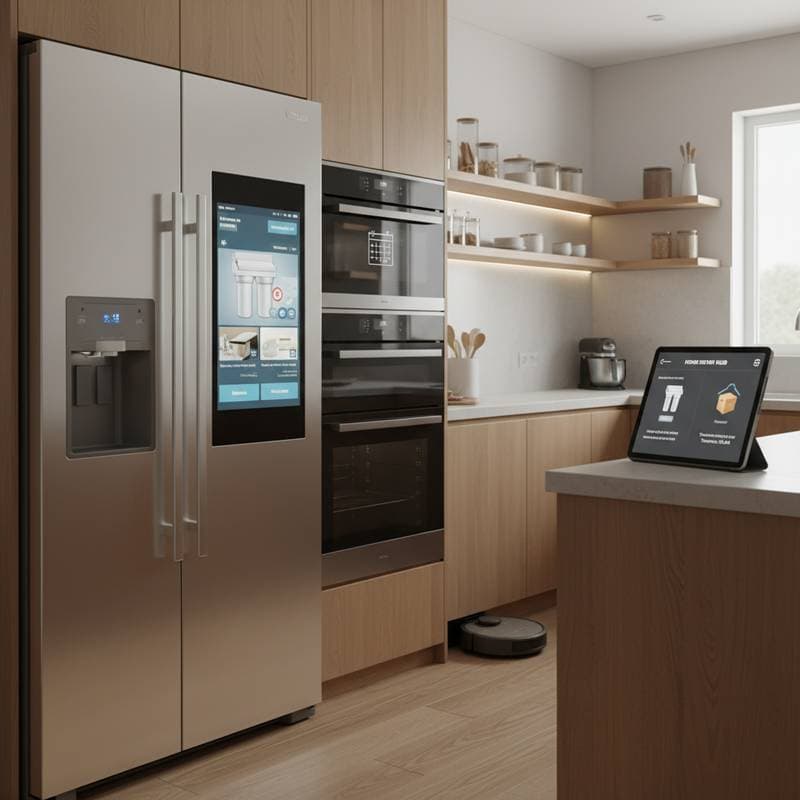
Next-generation smart refrigerators act as predictive kitchen assistants, forecasting grocery requirements up to three days in advance through sensors, AI, and cloud analytics. They optimize inventory, cut down on waste, and simplify shopping routines. From affordable entry-level options to high-end AI-driven systems, these appliances elevate convenience, promote sustainability, and reshape home meal preparation.
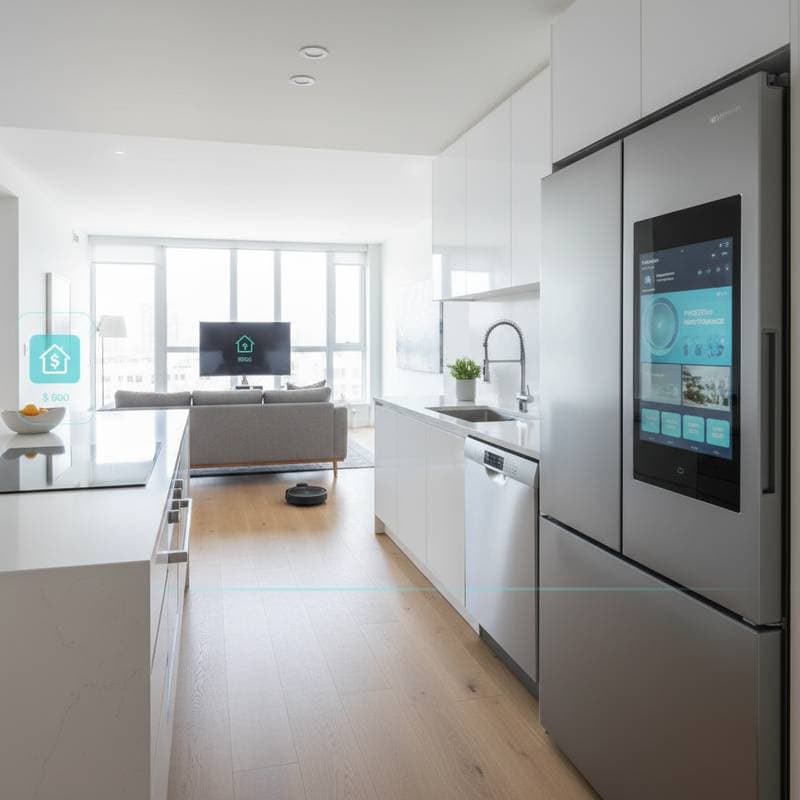
Smart alerts from connected appliances identify potential failures in advance, helping homeowners save an average of $800 each year. Covering items from washers to HVAC units, these features promote extended durability, improved efficiency, and avoidance of water or energy losses, delivering ease, security, and enduring benefits to tech-enabled homes.
AI robot vacuums advance beyond basic cleaning by predicting pet-related messes through sensors, cameras, and behavioral analysis. These devices integrate with smart home ecosystems to preempt issues, delivering cleaner spaces, lower stress levels, and a preview of proactive home management.